Why Hire Local Commercial Building Appraisers in Dufferin County
If you work with commercial real estate anywhere in Dufferin County, you already know the market does not behave like the west end of the GTA or the Kitchener corridor. It is its own ecosystem. Values in an Orangeville neighbourhood can diverge sharply from those in Shelburne, even for similar buildings, because traffic flows, tenant pools, zoning nuance, and servicing constraints are different. A strong appraisal reads that local texture and converts it into defendable value. That is where local commercial building appraisers in Dufferin County earn their fee.
This is not theory from a textbook. It is what lenders, municipalities, developers, and long‑time owners rely on when money is at stake. Hire a team that spends its time in Orangeville, Shelburne, Mono, Grand Valley, and the rural townships, and you reduce uncertainty on your financing, your tax appeals, your acquisitions, and your exits.
What local actually means in this market
Local is not just a mailing address. It is fluency with the way Dufferin’s geography and regulations shape price. Consider a small industrial condo near Highway 10 in Orangeville. On paper, it looks a lot like a condo in Bolton or Georgetown. In practice, the rent roll, the turnover risk, and the achievable cap rate are different. The tenant base is often a mix of trade contractors, small logistics users that do not need 53‑foot trailer access, light manufacturing, and service providers who like the region’s workforce. The average lease may be three to five years, with renewal options that handcuff rent growth more than in hotter nodes. An appraiser trained only on GTA datasets can easily transplant the wrong cap rate or overstate market rent by two dollars a foot.
Commercial land tells the same story. A two‑acre parcel at the edge of a hamlet in Amaranth might be designated for highway commercial use, but its value hinges on driveway spacing along a county road, distance to a signalized intersection, hydro capacity, and whether on‑site private services trigger costly engineering. A local commercial land appraiser will have examples of recent site plan approvals in similar contexts and know what actually trades in cash terms versus what sits on MLS without moving. That judgement is hard to import.
Local also means understanding the constraints. The Niagara Escarpment Commission has jurisdiction in parts of Mono and Mulmur. Conservation authorities such as NVCA and CVC flag wetlands and floodplains. Those overlays do not just affect land. They can limit expansion potential for an existing building, which flows into an appraiser’s highest and best use analysis and, ultimately, value.
The valuation toolkit, tuned to Dufferin’s reality
Every credible appraiser uses the same trio of approaches. The value comes from how they calibrate each one to place, asset type, and use case.
Income approach. Most stabilized commercial and industrial buildings in Dufferin are valued primarily on income. The trick is setting market rent, vacancy and credit loss, structural allowances, and an appropriate cap rate. You want an appraiser who has actually reviewed local leases, not just broker pro formas. For small‑bay industrial in Orangeville, net rents might land in a broad range, say 11 to 16 dollars per square foot, depending on clear height, loading, and finish. Community retail in Shelburne can sit lower or higher depending on anchor strength and competition in the trade area. Cap rates for secondary markets have widened over the last 18 to 24 months. It is common to see 6.75 to 8.5 percent for small retail and light industrial, with special‑use assets or short weighted average lease terms pushing higher. No one should hand you a 5.5 percent cap unless they can point to a closed sale that defends it.
Direct comparison approach. The comparison set must be local, recent, and properly adjusted. In practice, that means using sales from Orangeville, Shelburne, Grand Valley, and occasionally from peer towns like Alliston or Fergus when the asset type is rare. A seasoned Dufferin appraiser knows why a plaza on Highway 9 traded at a premium to a similar‑size centre tucked off County Road 11, or why a mixed‑use building in an older Orangeville block achieved a surprising price per foot because of residential upside upstairs.
Cost approach. The cost test matters for special‑use properties, newer industrial, and some institutional assets. In rural townships, construction costs can be atypical due to site work for private services, blasting near the Escarpment, or long drives for trades. Replacement cost is not a GTA average, and external obsolescence needs to capture market depth. A 25,000 square foot single‑tenant building with a crane rail is worth less in a market with three plausible buyers than in a node with twenty.
Why lenders and owners lean on local judgement
Risk reads differently north of Highway 9. When a lender underwrites a mortgage on a 40,000 square foot flex building in Orangeville, their biggest concern is often tenant rollover and backfill time. A local appraiser can speak in specifics. For example, similar buildings along Centennial Road historically re‑lease within six to twelve months when priced at market net rent, provided they have adequate loading and parking. They can also flag softer segments, like second‑floor office over retail that may sit for longer outside the main arterials. That kind of colour helps a credit committee, and it is the difference between a conservative loan amount and one that matches your capital plan.
Owners who have held property for a decade or two use appraisals to anchor strategy. I have watched investors rethink a planned sale after an updated valuation showed most of their upside came from leasing vacant space rather than chasing purchase price multiples. In one case, a small plaza in Shelburne with a chronic 2,000 square foot vacancy looked stalled. The appraisal process uncovered that the space’s HVAC was undersized for a food user, and signage rights were unclear. Fix those two items, increase achievable rent by three dollars per foot, and the cap rate buyers would accept tightened by fifty basis points. The owner did the work, stabilized the NOI, and then sold at a price about 12 percent higher than brokers had penciled earlier in the year.
Zoning nuance and approvals that change value on day one
Highest and best use is not a boilerplate paragraph in Dufferin County. It is often the valuation hinge.
Take a highway commercial site near an interchange on Highway 10. If the county or town requires shared access with a neighbour and restricts left turns, drive‑through potential might vanish. That does not just shift a future layout. It can cut land value by six figures per acre compared to a site with full access. A local appraiser will not guess. They will confirm curb cut policy with county engineering or point to a file where those exact restrictions were applied.
Or consider mixed‑use in Orangeville’s core. Some properties sit within a heritage district. That may cap exterior changes or trigger review processes that slow renovations. In return, incentives for facade improvement or upper‑storey residential conversions sometimes exist, which can be folded into the pro forma. A report that captures both the limits and the levers will be more useful to a borrower and will stand up to a bank review.
Rural commercial is even more sensitive. On private well and septic, your maximum occupancy, food service feasibility, and even clinic uses all tie back to engineering. A local commercial building appraiser, working with a septic designer’s capacity letter, will adjust the potential use set and, therefore, market rent. That is real valuation work, not a checkbox.
Market data that is actually comparable
Most appraisers subscribe to sales databases and broker research. The differentiator is what they add on top. In Dufferin, off‑market transactions and small private deals make up a meaningful share of activity, especially for industrial condos, small retail plazas, and commercial land trades among local families and builders. Those sales do not always show up in public feeds. A local practice that talks to lawyers and brokers weekly, and that attends municipal meetings, will hear about a sale at 230 dollars per square foot that looked ordinary but included a sizable vendor take‑back. They will know how to strip out that financing concession to derive a clean market value. That edge is hard to replicate from a distance.
Tax assessment reality check
Commercial property assessment in Dufferin County is administered by MPAC, using mass appraisal techniques across the province. When an owner believes their assessed value overshoots reality, a well‑prepared appraisal becomes evidence. Here, local expertise matters. If your office building in Orangeville is assessed based on an income model that uses a 6 percent cap and a rosy market rent, an appraiser with local lease files can justify a 7 to 8 percent cap and document sustained concessions that MPAC’s model might miss. On the flip side, if your building really is outperforming the market, a frank appraiser will tell you an appeal is unlikely to succeed and not worth the time. The point is to ground the discussion in real leases and credible vacancy histories from Dufferin, not broad provincial assumptions.
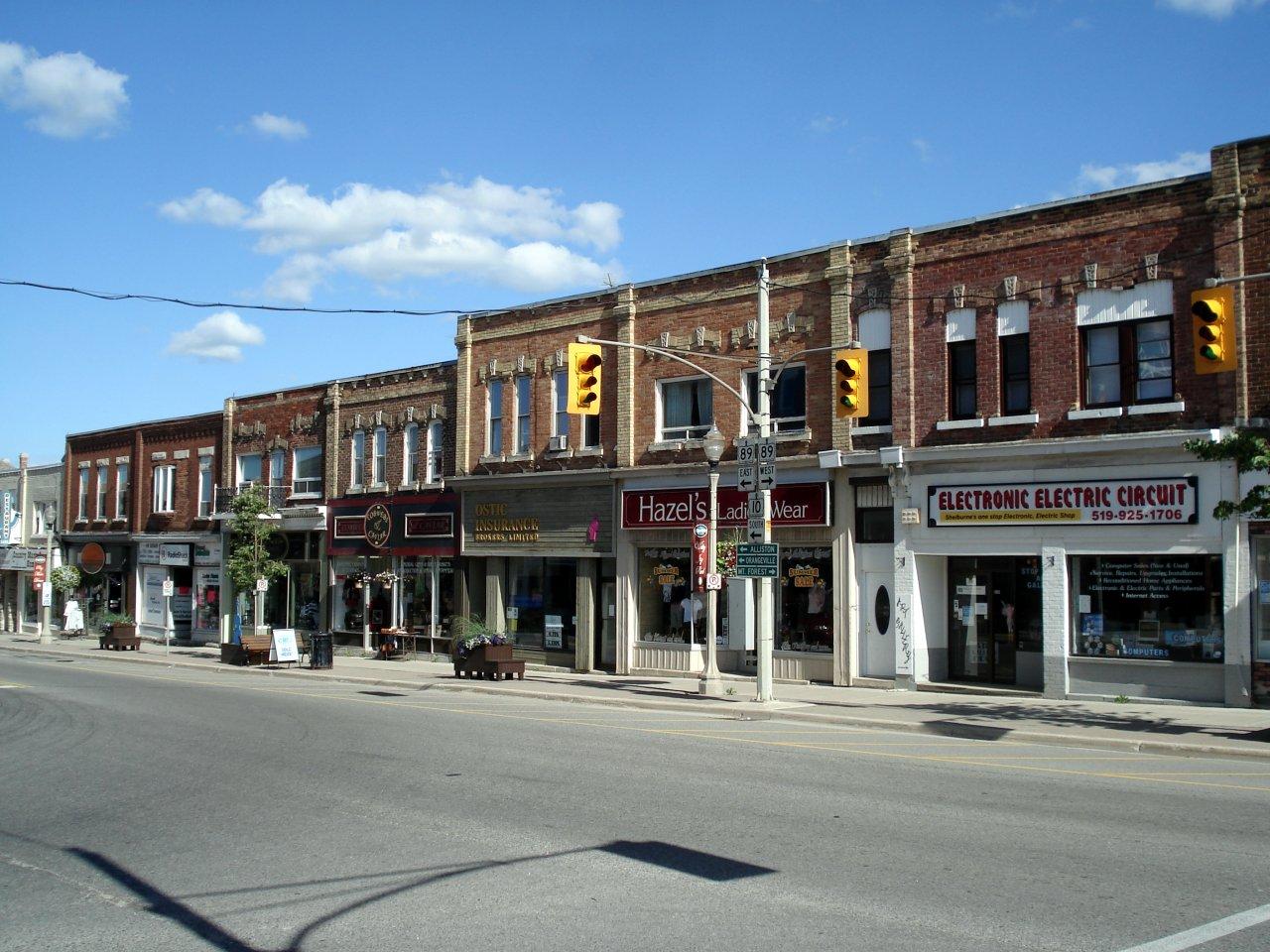
Development feasibility and commercial land valuation
Commercial land appraisers in Dufferin County navigate constraints that shape residual land value. Development charges change by municipality, and industrial land pricing can swing based on whether the parcel is in a serviced employment area or relies on private services. Proximity to Highway 10 and 89, or to strong residential growth in Shelburne, affects the depth of the tenant and buyer pool. Conservation and Escarpment controls can take a chunk out of net developable acreage, sometimes more than the mapping suggests.
A robust land appraisal will not just throw a dollars‑per‑acre figure at you. It will run a simple residual based on a plausible build‑out, realistic tenant rents or sale values for finished product, soft costs adjusted for local processes, and a construction timeline that fits municipal capacity. That means accounting for items like a required road widening on a county road or an intersection upgrade tied to your site plan approval, both of which reduce what you can pay for dirt. I have sat at tables where an extra turning lane mandate shaved 250,000 dollars from land value on a mid‑size plaza because the timing and cash outlay were both front loaded.
When a local appraiser can save you money
- Financing a purchase where the lender is unfamiliar with Dufferin’s cap rates and rent levels.
- Appealing a commercial property assessment that feels out of step with actual income.
- Pricing a mixed‑use building with quirky space, like an over‑improved second‑floor office over retail, where market depth is thin.
- Negotiating a partnership buyout or estate settlement that needs a fair number both sides can accept.
- Buying commercial land where usable acreage and approvals risks are uncertain.
A few owners balk at paying for a full narrative appraisal, especially if the property seems simple. The question to ask is what a 3 to 5 percent miss on value, up or down, would cost you. On a 3 million dollar asset, that is 90,000 to 150,000 dollars. If a local report keeps you within a tighter band or flags a risk early, the fee is small.
The trade‑off with larger city appraisal firms
There are good commercial appraisal companies in Dufferin County and there are strong national firms in Toronto. Many banks keep approved lists that skew to national brands. In practice, you do not have to choose one over the other. A common path is to hire a local appraiser for pricing and strategy early, then have a national firm produce the financing report once the deal is firm, with the local file and data shared as context. That hybrid can save time and give your lender comfort without losing local nuance.
If you go with a Toronto firm from the start, push them to include Dufferin‑specific comparables and solicit a data sharing call with a local practice. The professional community is collegial. A quick conversation about recent cap rates in Shelburne, or lease comps on Riddell Road, can tighten their work.
Edge cases that trip up non‑local valuation
Cannabis production and distribution has popped up in industrial pockets and rural areas. These uses can be highly specialized, with robust mechanical and electrical fit‑outs that add cost but may not transfer value on sale if the next user is not in the same industry. Local appraisers have watched the resale market for these properties and can tell you how buyers treat that extra build cost, often at a discount.
Another common edge case is a former residence converted to a commercial office or clinic along a county road. Zoning may permit the use, but parking, accessibility retrofits, and septic capacity limit tenant types. Sales of similar conversions in Mono or East Garafraxa help anchor value. Without those, it is easy to overpay.
Expropriation for road widening along county or provincial roads is a quieter but important niche. Partial takings change site access, circulation, and signage. A local appraiser who has worked on corridor expropriations will be faster at identifying injurious affection and negotiating with the authority, which often pays reasonable professional fees. Owners who try to navigate this with a generalist sometimes leave damages on the table.
How local insight shows up in the report
Good reports in this region do a few things differently. They pull municipal staff comments or by‑law excerpts into the highest and best use analysis. They discuss actual lease clauses that are common locally, such as HVAC repair responsibilities or caps on operating cost increases in older strip centres. They differentiate between gross and net rent where small owner‑managed properties sometimes blur lines. They provide explicit reasoning on cap rate selection that ties back to recent closed sales and to shifts in borrowing costs for typical buyers in Orangeville or Shelburne. And they do not gloss over environmental or servicing issues. If a site is on well and septic, you will see capacity assumptions and the source.
The tone is plain. When a building is overbuilt for the market, the report says so. When the highest and best use is a redevelopment in five to ten years after surrounding density climbs, you will see that in writing with a clear present‑day value conclusion that still reflects current use.
Practical example: a small industrial portfolio
A local investor owned three small‑bay industrial buildings in Orangeville and Shelburne, each about 20,000 to 30,000 square feet, with staggered lease expiries and a mix of tenants. They wanted to refinance, then maybe sell one building to recycle capital. Two appraisal paths were on the table: a single portfolio valuation from a national firm, or individual reports from a local appraiser.
They chose the local route first. The appraiser separated the assets by tenant quality and submarket, applied different cap rates, and called out lease renewal risk on the one building that had two tenants expiring in the same year. They also flagged that one unit had insufficient power for the tenant’s equipment, which could lead to a default if not addressed. The appraisal quantified the NOI hit if that space went dark. With that information, the owner staggered the renewals and upgraded the power before ordering a follow‑up portfolio report from a national firm for the lender. The local groundwork paid off. The bank underwrote less vacancy risk and advanced an extra 400,000 dollars across the three mortgages at roughly the same rate.
Fees, timing, and what to expect from the process
For a typical single‑tenant industrial building or small retail plaza, a full narrative appraisal might take 10 to 15 business days once the appraiser has all materials. Complex mixed‑use or land residual assignments can take longer. Fees vary with scope and intended use, but owners often see ranges that reflect report type and lender requirements. A desk‑only opinion can look attractive on price, yet it usually will not satisfy a lender or stand up in a dispute.
A good local appraiser will ask for the following at the outset: rent roll with expiry dates, copies of leases and any amendments, recent operating statements with a breakdown of recoveries, a site plan and floor plans if available, details on any capital works, and contacts for property management or tenants if a site visit will include interior access. For land, they will want zoning confirmation, any pre‑consultation notes with the municipality, environmental reports if they exist, and a survey.
Expect questions. In my experience, the best reports come from assignments where the owner or broker treats the appraiser like a teammate. If your tenant pays a blend of gross and net rent with a messy shared utility meter, say so, and provide hydro bills or a simple reconciliation. If a roof was replaced three years ago and is under warranty, share the invoice. Those facts reduce uncertainty and move value in your favour.
Selecting the right local professional
- Verify experience with your asset type in Dufferin, not just the accreditation. Ask for anonymized sample pages that show cap rate support and comparable detail for similar properties.
- Confirm lender acceptance if the appraisal supports financing. Many local firms are on major bank and credit union lists, but verification avoids delays.
- Ask how they handle land use and approvals questions. You want someone who will call municipal staff and read by‑laws, not just paste links.
- Discuss timing and communication. A short weekly update keeps surprises to a minimum, especially when a deal is firm and the appraisal is the last condition.
- Clarify assumptions. If capacity on services or environmental status is uncertain, make sure the report states those assumptions clearly to avoid future disputes.
Where the keywords meet the real decisions
Owners and lenders search for commercial building appraisal Dufferin County or commercial building appraisers Dufferin County because they need a number https://realex.ca/ that holds up. Developers type commercial land appraisers Dufferin County when a parcel’s potential is opaque. Tax managers look up commercial property assessment Dufferin County to check if an appeal makes sense. And when there is more than one mandate on the table, decision makers often scan commercial appraisal companies Dufferin County to find a team that can handle mixed portfolios without losing the local thread.
Beneath the search terms sits a single aim. Get a valuation that reflects what the market will actually pay, from buyers and tenants who live and work here, under by‑laws that local planners enforce, within infrastructure limits local builders know by heart. The right local appraiser does that. They watch the rent letters cross desks on Riddell Road, see the for‑lease signs turn over on Broadway, sit in pre‑consults at county offices, and pick up the phone when a broker whispers that a deal closed three days ago at a different number than the flyer suggested.
If you rely on real estate to grow a business or a portfolio in Dufferin County, do not treat appraisal as a box to check. Treat it as a decision tool, sharpened by local evidence. The next loan approval, purchase, or disposition will go better when your valuation speaks the county’s language.