What Sets Top Commercial Appraisal Companies in Wellington County Apart
Commercial valuation looks tidy on paper, three approaches and a final opinion of value, but the firms that do it best in Wellington County treat it as fieldwork, research, and judgment stitched together. The county’s mix of established towns, active farmland, growth corridors near the 401, and pockets of complex regulation means a template report will not carry the weight a lender, court, or boardroom needs. The difference between an average appraisal and a top-tier one often shows up in small decisions made early, site-specific digging that avoids costly surprises, and a willingness to argue the numbers when scrutiny arrives.
The local map matters more than glossy credentials
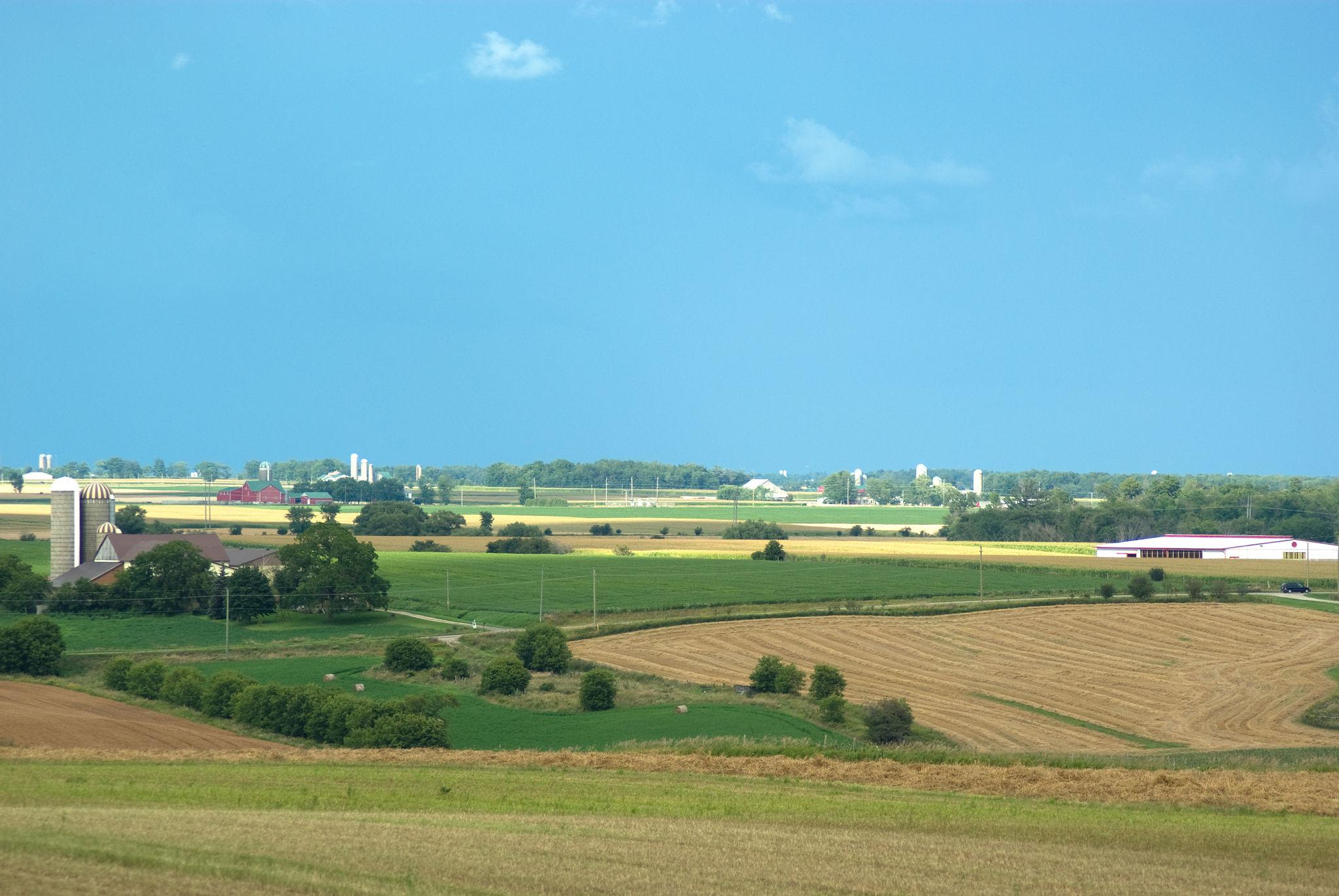
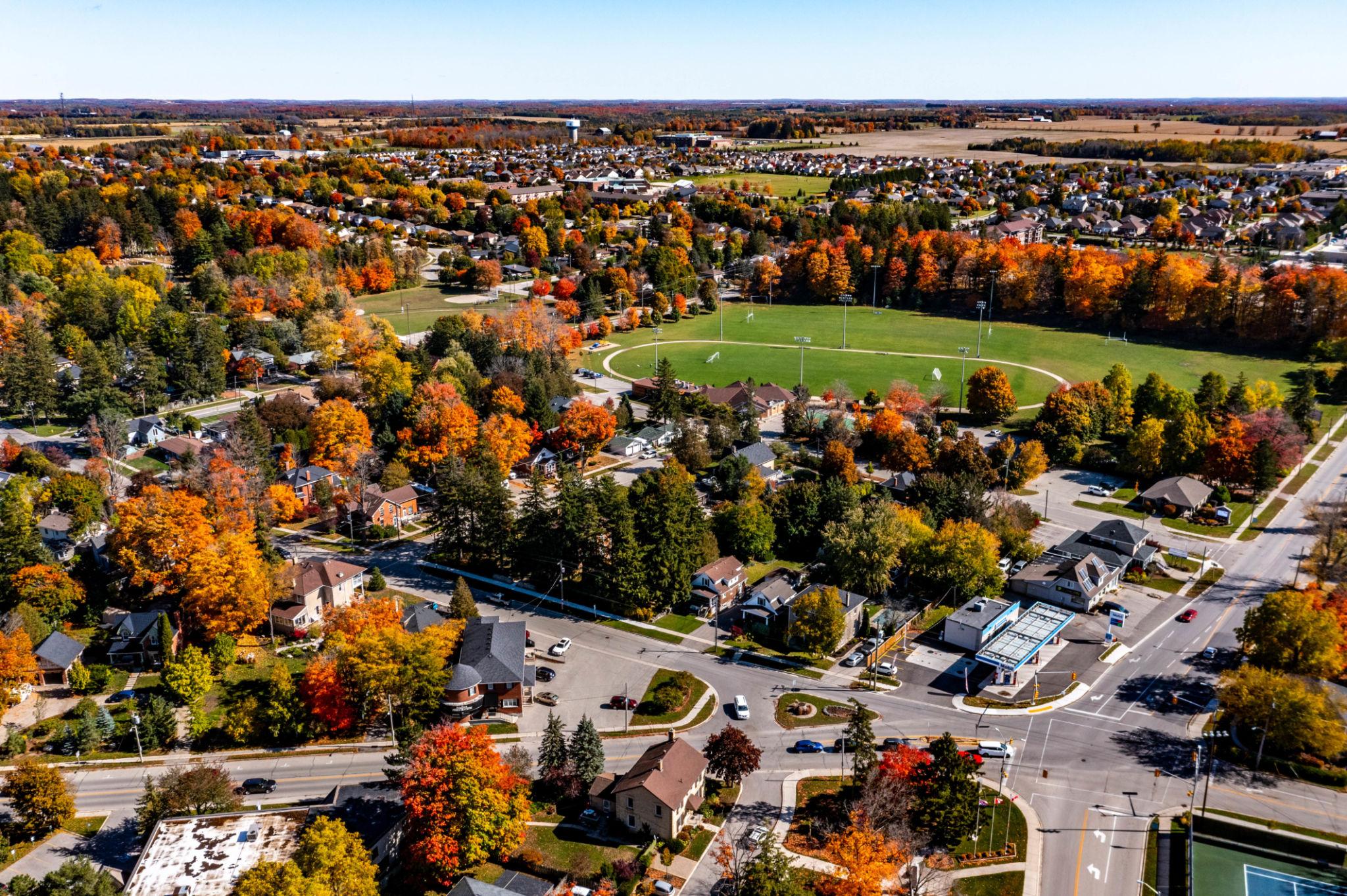
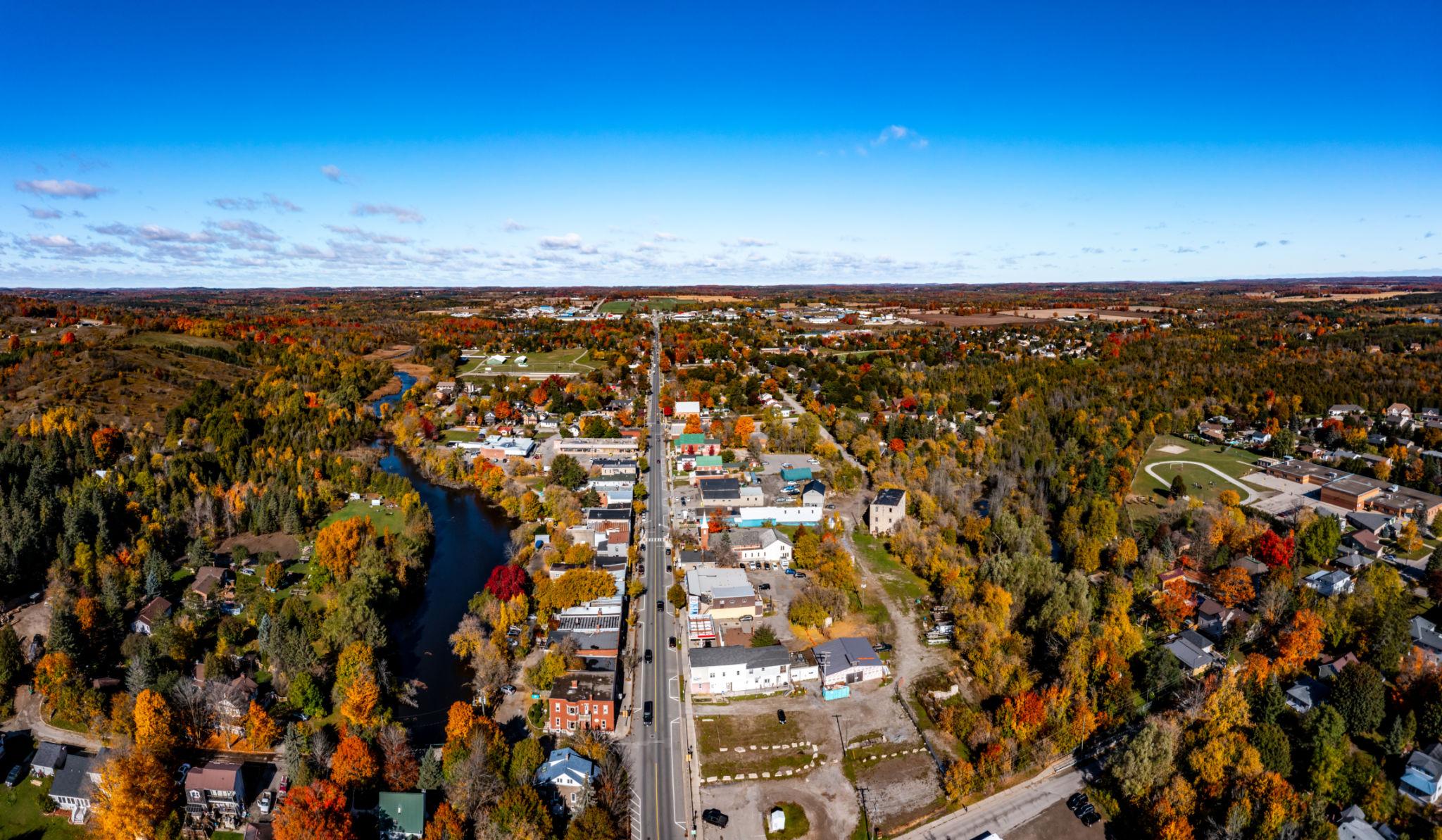
Any discussion about commercial appraisal quality in Wellington County starts with geography. Centre Wellington’s historic cores in Fergus and Elora behave differently from the industrial parks edging Puslinch. Erin tips toward the Credit Valley watershed while much of the county falls under the Grand River Conservation Authority. Guelph sits inside the county geographically but is a separate municipality with its own planning climate and stronger institutional landlord presence. Then there is Wellington North, Minto, and Mapleton where agricultural influence presses up against small-town commercial stock.
When a firm knows this terrain, you see it in the first ten pages of a report. A credible assessment of highest and best use for a 2.5 acre corner parcel on Wellington Road 7, for instance, will trace more than zoning. It will account for source water protection constraints, practical access and frontage, and whether municipal servicing is real or theoretical. It will speak to the marketing time buyers in that node actually take to close and build, not the assumption from a metro market two steps removed. The top commercial appraisal companies in Wellington County weave these details through the narrative because they have walked the sites, called the planners, and tracked deals that never hit MLS.
Standards, designations, and the kind of rigor that stands up in a boardroom
Strong local knowledge only helps if it is housed in a shop that runs a tight process. In Canada, rigorous commercial valuation typically sits with AACI-designated members of the Appraisal Institute of Canada, operating under CUSPAP. On paper, that looks like a checkbox. In practice, it shapes the discipline around scope, assumptions, and the hierarchy of evidence. Lenders and courts will ask who signed, whether conflict checks were performed, and whether the firm can explain its exposure time estimate without reaching for a textbook.
Commercial building appraisers in Wellington County who work at a high level also keep working files that would make sense to a second reviewer. If a report states a 6.25 percent cap rate for a 1990s multi-tenant industrial building in Guelph-Eramosa, the file will include the lease roll analysis, allowance for structural reserves, and a clear rationale for excluding two outlier trades from Kitchener that closed under atypical conditions. The income approach is only as strong as the adjustments that feed it.
How top firms break down market mechanics
The mechanics of value do not change across counties, but the weighting does. A good report anchors its conclusion in the approach that best reflects how that asset type really trades, then checks across the other approaches for reasonableness.
For a stabilized multi-tenant industrial complex along Highway 6 near Puslinch, the income approach typically leads. Competent firms will underwrite to in-place rents, test for mark-to-market, and model vacancy and credit loss using local evidence, not generic allowances. They will account for loading ratios, clear heights, and the age of mechanical systems that drive tenant quality. In 2024 and early 2025, secondary market industrial cap rates in Southern Ontario often sat somewhere in the 5.25 to 6.75 percent range, with Wellington nodes generally higher than Toronto core but tighter than some rural markets. A careful firm will present a range and explain where the subject sits inside it.
If the subject is a newer commercial condo unit in downtown Fergus, the direct comparison approach may carry more weight, given the way owner-users and small investors bid for these units. The right appraiser tracks per square foot sales across Fergus, Elora, and the edges of Guelph, then reconciles for visibility, parking, and condominium bylaws that curtail certain uses.
For a special-purpose asset like a cold storage facility in Mount Forest, the cost approach can be critical. Replacement cost new is not a single number pulled from a table. The best practitioners break out the envelope, refrigeration systems, insulated panels, dock equipment, and specialized MEP, apply current cost indices, then load for soft costs and entrepreneurial profit. External obsolescence needs frank discussion when there is spare capacity in the region or when power costs press margins.
Commercial land is its own sport
Commercial land appraisers in Wellington County earn their keep by resisting the urge to price land like standalone acreage. Servicing, phasing, and policy timing can swing value more than any clean per acre figure. For example, a 10 acre block within a designated business park that has water and sewer to the lot line, proper stormwater management, and a signalized access will trade very differently from a similarly sized parcel where services are scheduled but not yet financed. In growth areas near the 401, serviced industrial land in recent years has fetched wide ranges, with credible deals sometimes clustering between roughly 700,000 and 1.4 million dollars per acre depending on lot size, configuration, and competitive pressure from Kitchener, Cambridge, and Milton. Unserviced land with longer horizons might fall far below that range. A top firm will avoid a simplistic average, walk through absorption assumptions, and show how development charges and front-ended works feed back into residual land value.
On mixed-use or retail pads along arterial corridors, traffic counts, left-in and left-out movements, and proposed roundabouts can make or break a pro forma. Appraisers who have sat in pre-consultation meetings know how to translate planning optimism into a schedule lenders can accept. They will explain whether the municipality’s growth forecasts align with likely tenant roll-out and what that means for interim uses and cash flow bridges.
The nuance of commercial building appraisal in Wellington County’s towns
Older main street buildings often carry layered histories. You might be valuing a two-storey brick structure in Elora with a restaurant at grade, offices above, and a third-party patio license over municipal lands. Gross leasable area numbers from a broker flyer could be off by 5 to 10 percent if stairwells and common areas were not measured properly. In these cases, the best commercial building appraisal work starts with an honest take on measurement standards, confirmation of use approvals, and whether a liquor license ties to the premises or the operator.
Industrial stock presents a different set of challenges. Low-site-coverage properties are coveted for outdoor storage, but conservation setbacks near creeks and wetlands may have crept since the building was erected. Appraisers with a reliable GIS workflow will check GRCA or CVC layers early and document any encroachments or easements found during a title review. A one-page plan with overlays often saves hours of debate downstream.
Office is its own question mark. Many Wellington County office assets are single-tenant or medical, with rents negotiated net of some but not all operating items. A good report breaks out exactly which costs the tenant covers and which costs remain with the landlord, then aligns comparable transactions accordingly. In a market where national data shows softening office demand, a thoughtful appraiser addresses re-leasing risk and capital costs, rather than pretending a renewal option solves everything.
When the assignment is more than market value
Commercial property assessment in Wellington County can mean two things in conversation. For taxation, MPAC sets assessed values across Ontario. For financing, dispute resolution, or decision support, clients hire an appraiser to estimate market value or another defined value, such as orderly liquidation value for equipment-heavy assets. The better commercial appraisal companies in Wellington County handle both the standard mortgage work and the unusual files: expropriation, contamination stigma, partial takings for road widening, or Section 37 style community benefits that tie into density.
On expropriation matters, the difference between a passable report and a strong one is familiarity with the Expropriations Act, injurious affection claims, and case law on corridor valuation. When a taking bifurcates a farm with an agricultural operation that depends on field contiguity, a pro appraiser will quantify productivity impacts alongside the land value and improvements, not just slice off area and multiply by a rate.
Environmental issues come up often enough to warrant a plan. Brownfield conversions in the county’s older industrial tracts may carry risk premiums even after a Record of Site Condition. Top firms review Phase I and Phase II reports, translate remediation scopes into timing and cost impacts, and, if necessary, model a discount to account for perception. They do not hand-wave with a single line item.
Data discipline and the craft of adjustments
Anyone can collect sales. Turning them into evidence is the hard part. The leaders I have worked with in Wellington County treat sales verification as a first principle. A call to a lawyer or property manager to confirm atypical terms can overturn an entire set of comps that looked tidy at first pass. They also keep internal databases that track not only the price and size, but who the buyer was, what their hold strategy seemed to be, and whether the property hit the market fully exposed. That last point matters, because private trades between related parties can mislead.
Adjustments follow. On improved industrial product, a 1998 building with a 20 foot clear and 15 percent office often sits beside a 2018 building at 28 foot clear with a 5 percent office. The appraiser who can quantify the rent lift from modern specs and then translate that back into a reconciled price per square foot is the one you want on file when the lender hires a review appraiser. They will show their math, openly discuss where they had to make a judgment call, and contain the uncertainty rather than hide it.
Turnaround times, fees, and the project management you rarely see
Clients do care about speed and cost. Good firms manage expectations realistically. For a straightforward commercial building appraisal in Wellington County, a typical timeline might run 2 to 3 weeks from site inspection to draft, assuming prompt access, complete rent rolls, and cooperation from the borrower. Complex land files, multi-property portfolios, or litigation assignments can stretch to 4 to 8 weeks. Fees vary with scope and risk. You will see four-figure invoices for basic commercial condo reports and climb into the mid five figures for litigation support with expert testimony.
The unseen work includes early engagement letters with a clear scope, document requests tuned to asset type, and conflict checks that actually mean something. Lenders take comfort when the engagement clarifies intended users, reporting format, and assumptions that would change value if altered. The best shops do not wait until the end to spring new assumptions on the client. If a site visit uncovers an encroachment or an unpermitted mezzanine, they pause, reset scope if needed, and document.
What lenders and sophisticated owners quietly look for
In meetings, experienced lenders and developers will often skim the executive summary first. They look for a value conclusion that sits in a reasonable relationship to the approaches, exposure and marketing time that make sense for the asset, and a short, precise explanation for the cap rate chosen. They also scan for a candid highest and best use section. A top appraiser will not shy away from saying a property is overbuilt for its location, or that a warehouse is stuck with an obsolete bay depth that will cap rent growth.
If the subject is a farm with a large on-farm diversified use near Arthur, they expect to see an analysis that separates agricultural value from the value of the commercial component, especially where the commercial use could be non-conforming or limited by municipal policy. Seasoned commercial land appraisers in Wellington County understand the pitfalls of blending those values without a supportable framework.
Two moments that separate average from excellent
I have seen two moments define whether a report will hold under pressure. The first is how the appraiser handles thin data. In smaller submarkets, you rarely find perfect comparables. A strong appraiser does not force a conclusion out of three weak sales. They broaden the search carefully, adjust with restraint, and show sensitivity analysis if the result hangs on one or two key inputs.
The second is testimony. Even if a matter never reaches a hearing, many files end up in a meeting where numbers are tested. The appraiser who did the real work can walk through the file without shuffling. They know why they excluded the highest sale, they have notes from the broker call that confirm atypical vendor take-back financing, and they can explain why their vacancy assumption deviates from MPAC’s default.
Practical checkpoints when hiring in the county
If you are weighing commercial appraisal companies in Wellington County, resist the temptation to pick from a spreadsheet of fees and turnaround promises. A short call can reveal more than a proposal letter. Use the following as a quick filter.
- Ask who will sign and who will actually do the fieldwork. Look for AACI designation and recent work on assets like yours in the same part of the county.
- Request anonymized samples where the subject, approach weighting, and reconciliation mirror your assignment. The writing should be clear, not padded.
- Probe their local data. Do they track private industrial trades near the 401, and can they speak to current cap rate ranges without hedging?
- Clarify conflicts and independence. Top firms run real conflict checks and will decline if they cannot be truly impartial.
- Confirm their plan for site access, document collection, and interim updates. Good communication shortens timelines more than promises.
Where the county’s quirks surface in valuation
A few patterns recur in Wellington County. Development charge regimes vary across the municipalities and have shifted over time. A credible commercial land appraisal will insert up-to-date charges into a residual analysis rather than use a proxy from Guelph or Waterloo. Conservation authority constraints can be decisive on rural industrial or agricultural properties slated for expansion. Appraisers who miss a regulated floodplain or a core environmental feature can overstate usable area and, by extension, value.
Transportation projects ripple through values as well. Planned roundabouts on county roads can improve or limit access patterns. The firms that regularly attend public meetings and speak with county engineering staff can anticipate those impacts earlier and build them into exposure time estimates. That matters when a lender is underwriting a hold period that spans municipal construction seasons.
The difference ethics makes when pressure is high
Independence is not a slogan in this line of work. When numbers carry financing decisions or damage awards, there is pressure, sometimes subtle, sometimes blunt. The best commercial building appraisers in Wellington County earn repeat business by being steady. If the market evidence suggests a value lower than a borrower hoped for, they say so early. If a broker-provided comp unravels under verification, they remove it and explain why. Over time, that posture saves clients more money than soft-pedaling reality ever could.
It also surfaces in the handling of assumptions. Suppose you are dealing with a mixed industrial and yard property in Wellington North where the tenant’s https://realex.ca/commercial-real-estate-appraisal-advisory-in-wellington-county-ontario/ outdoor storage use relies on a temporary permit renewed annually. A careful appraiser will treat that permit as a risk factor in the income analysis, potentially modeling a discount or identifying it as a hypothetical condition if instructed. That clarity helps the lender calibrate covenants rather than stumble into a default scenario when the permit is not renewed.
Technology helps, but only if it serves judgment
The better firms use GIS, cost databases, and imaging sensibly. Orthophotos can reveal historic building footprints and prior yard expansions. Cost services can anchor replacement cost, but a local contractor quote for a specialized component, even if it is just a range, often corrects a general index that is lagging. Drones can help document condition and site layout on large parcels, yet they never replace a good pair of boots and a tape measure. The point is not to show off tools, but to select the ones that close the gap between assumption and fact.
What top-tier service looks like day to day
When you work with a strong shop on a commercial building appraisal in Wellington County, you notice a few constants. Calls are returned same day, even if the answer is that a document is still pending. Drafts carry clear, bolded assumptions and limiting conditions that match the engagement. If you push for a number outside the supportable range, you get a patient explanation instead of silence. And when the market shifts, as it did during rate volatility, they reach out unprompted to update cap rate guidance for active files. That habit benefits lenders managing pipeline risk and owners recalibrating equity expectations.
You also notice a balanced view of risk and opportunity. When underwriting an older retail strip in Erin, an appraiser might highlight the potential to split a larger unit to attract service tenants, while also quantifying the cost and likely downtime. This is not consultancy masquerading as valuation. It is the practical overlay clients need to make decisions with full sight of the trade-offs.
Situations where a top firm adds outsized value
- Land with partial services or phasing needs, where residual analysis and policy timing drive value more than headline acreage.
- Properties with environmental history, especially when stigma could linger post-remediation.
- Expropriation and corridor files that involve partial takings, injurious affection, or complex highest and best use shifts.
- Specialized industrial and logistics assets where function, power, and clear height transform income potential.
- Portfolios spanning multiple Wellington municipalities with varying development charges and zoning interpretations.
Bringing the pieces together
What sets the leading commercial appraisal companies in Wellington County apart is not a secret sauce. It is a set of habits, refined across many assignments, that push each report closer to the facts on the ground. They know the municipal files and the engineers by first name. They can sketch the tenant mix for the business parks near Highway 401 without opening a spreadsheet. They reconcile approaches with humility when data is thin and defend conclusions with calm when reviewed.
Whether you are ordering a commercial building appraisal in Wellington County for a refinance, hiring commercial land appraisers to shape a land assembly bid, or seeking a fresh lens on a commercial property assessment for decision support, judge your short list on their proof of local knowledge and their record of disciplined, transparent valuation. The numbers you receive will live in someone else’s credit memo or cross-examination one day. Pick the team you will be comfortable sitting beside when that happens.