How to Choose the Right Commercial Appraiser in Oxford County
Commercial property decisions are rarely reversible. Whether you are financing a mill conversion, buying a small strip plaza, appealing an assessment on a trucking yard, or supporting litigation over a right of way, the valuation sets the stage. The number on the last page of the report matters, but the quality of the analysis that supports it matters more. If you operate in Oxford County, choosing the right commercial appraiser is the difference between a bankable opinion and a document that collapses under scrutiny.
Oxford County comes up in more than one jurisdiction. There is an Oxford County in Ontario and one in Maine. Each has its own rules, market structure, and professional credentials. The core principles of choosing well carry across borders, but a good selection process respects local law and local data. The best commercial appraiser in Oxford County understands local land use controls, prevailing lease structures on the ground, and where reliable sales data hides in a county with more fields than shopping centers.
Why the appraiser choice drives outcomes
The value of a commercial property is a function of cash flow, risk, and market evidence. That sounds clinical until you sit in a lender’s credit meeting, or a tax board hearing. On a recent file, a client bought a 40,000 square foot light industrial building with crane bays and a tired roof. A generalist appraiser from a nearby city skimmed over obsolete features and applied a cap rate that fit suburban flex space. The bank balked. We brought in a commercial appraiser who worked Oxford County industrial for years, documented the roof’s remaining service life, quantified the functional obsolescence on crane clearance, and pulled comparable sales from an hour’s drive that shared single tenant risk and limited buyer pools. The lender advanced at the original leverage.
Good appraisals make capital flow. Weak ones jam it. That is true for:
- Lending, where underwriters test each adjustment and assumption.
- Easements and expropriation matters, where small errors in highest and best use can cost six figures.
- Assessment appeals, where market rent and vacancy support must tie to local assessor data and tribunal expectations.
- Estate planning and partnership disputes, where credibility keeps people out of court.
When you hear commercial real estate appraisal Oxford County, think more than a report. Think about a valuation that stands up to stakeholders who are paid to doubt you.
Know the standards that apply in your Oxford County
Before you shortlist firms, anchor yourself in the standards. An appraiser can be charming on the phone, but if they work under the wrong rulebook, or no rulebook, you are exposed.
If your Oxford County is in Maine or anywhere in the United States, appraisers must comply with USPAP, the Uniform Standards of Professional Appraisal Practice. For federally regulated lending, you want a Certified General Real Property Appraiser, licensed by the state, with experience in the relevant property type.
If your Oxford County is in Ontario, the relevant standard is CUSPAP, the Canadian Uniform Standards of Professional Appraisal Practice. For commercial property, look for an AACI designated appraiser. AACI denotes training and experience in income producing and special purpose real estate. Many Ontario appraisers also align with RICS, which can help when you need cross border recognition.
If you operate near borders, or you need a report that two jurisdictions will accept, confirm the intended use and intended users early. A report crafted for a Canadian tax appeal will not always satisfy a US SBA lender, and the reverse is also true.
Professional designations are not decoration. MAI from the Appraisal Institute in the US, AACI from the Appraisal Institute of Canada, and MRICS from the Royal Institution of Chartered Surveyors each require rigorous education and peer review. For complex properties, I default to firms with these letters on their masthead, then test for local experience.
Local knowledge of Oxford County markets
Oxford County regions share a similar puzzle. They are large by land area and thin on large transactions. Data is patchy. You cannot rely on a city database of dozens of similar sales within a five mile radius. Appraisers in these counties build their own datasets, cultivate brokers who still fax rent rolls, and cross check land registry or registry of deeds transfers against permit history.
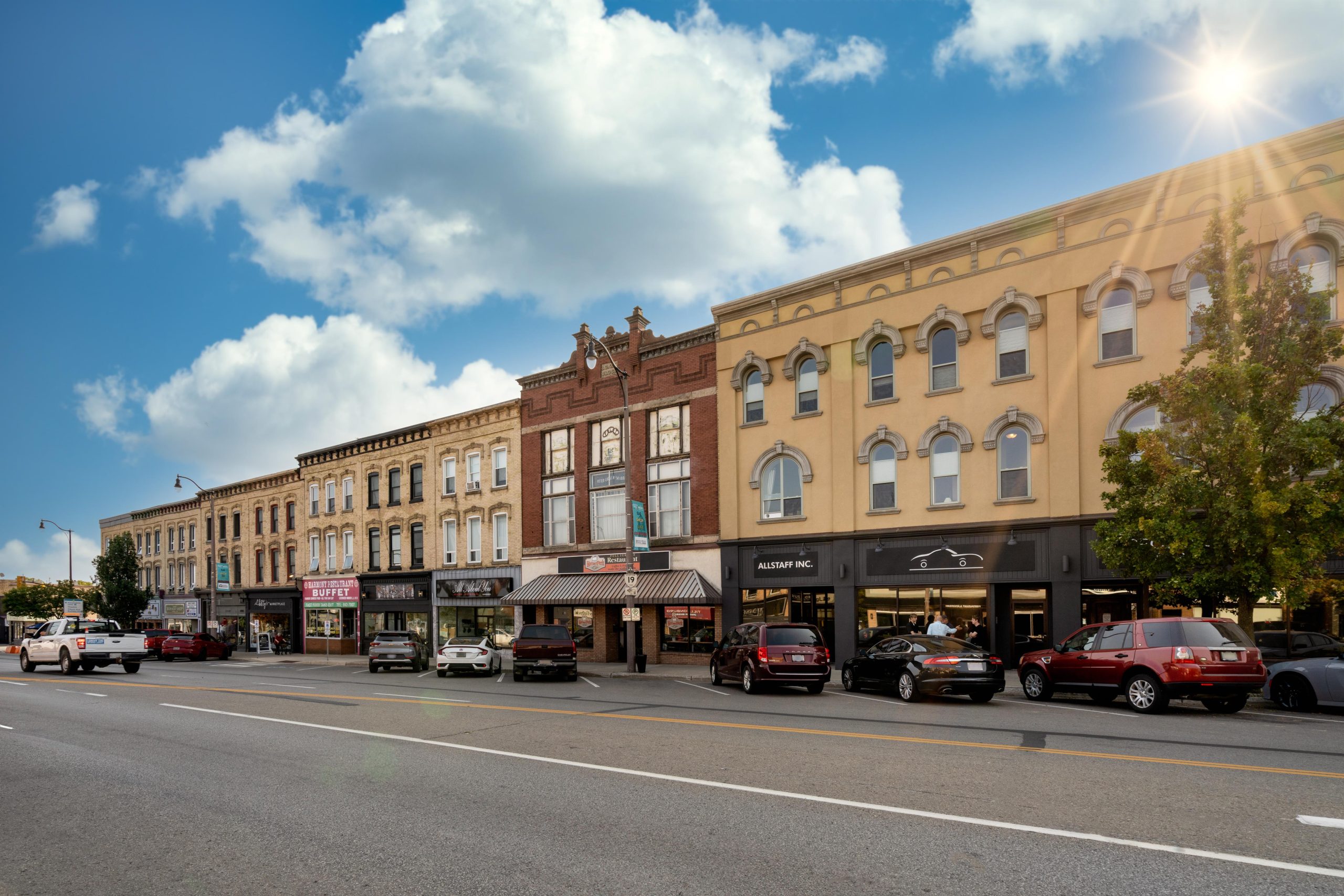
The property types that tend to dominate include light industrial, logistics yards, quarries and aggregate sites, agricultural processing, rural hospitality like campgrounds and motels, and older downtown mixed use with apartments above small shops. You also see wind or solar leases in pockets and the occasional special purpose asset such as a sawmill or cold storage building.
For commercial property appraisal Oxford County, ask how the firm finds comparable sales in a low velocity market. In practice, a credible appraiser will:
- Expand the geographic search to capture economic substitutes, not just political boundaries.
- Normalize sales for concessions, excess land, environmental hair, or owner financing.
- Reconcile price per square foot with income capitalization when rent data exists, and explain when it does not.
I have watched appraisers kill a deal by applying metropolitan cap rates to single tenant industrial buildings in a county where tenants sign five year deals and the back end risk is real. The better appraiser supported a higher cap rate, justified a rent free period for lease up risk, and underwrote roof replacement with a remaining economic life schedule. The lender did not love the number, but respected it.
How appraisers approach value on commercial assets
You do not need to become a valuation expert, but you should understand enough to spot shortcuts.
Sales comparison works when you have relevant, recent sales. In Oxford County, you often do not. Expect thoughtful time adjustments and location adjustments, but watch the narrative. If an appraiser adjusts 20 percent for location with a single sentence of support, push back. The right appraiser will give two or three lines on highway access, labor shed, and distance to major buyers or suppliers.
Income capitalization drives value for most leased properties. In a small market, support for cap rates comes from a mix of published surveys, broker interviews, and actual trades of similar risk profiles often 30 to 90 minutes away. Strong appraisers tie expense ratios to property specific items, not rules of thumb. If snow removal swings 30 percent year to year in Oxford County winters, the model should reflect a multi year average and a cushion. The stabilized vacancy rate should reflect submarket data, not a generic 5 percent.
The cost approach matters for special purpose properties and newly built improvements. In rural counties, land value can be the weakest link. Good appraisers triangulate land value with extraction, allocation, and sparse land sales, and they defend their external obsolescence with clear reasoning. For a grain handling facility with older equipment, for example, they should quantify the impact of rising rail tariffs or competing sites, not hand wave it.
The shortlist you build should match your use case
Not every appraiser fits every use. Some shops excel at lending work with tight loan policy requirements. Others live in the courtroom, comfortable with cross examination. Still others focus on expropriation or environmental impairment. When you need commercial appraisal services Oxford County, map your need to the right bench.
If you are buying or refinancing, bank familiarity helps. Lenders build informal lists of appraisers they trust. A name recognized by local credit committees avoids a second review. If you are appealing a tax assessment, look for people who have testified before the local assessment review board or tax tribunal. If you are heading to mediation on a partnership dispute, experience with retrospective valuations and minority discounts matters.
A practical example: a campground near a lake with seasonal cash flows and nonconforming uses will challenge a pure office or industrial appraiser. I watched a first report miss the impact of short term rental platforms on weekend rates and occupancy. The revised report by a hospitality focused appraiser doubled the granularity of the income model and supported value with three regional comps and one Oxford County sale that a generalist missed. Fee was higher by about 40 percent. It paid for itself.
A concise checklist for vetting candidates
- Confirm the correct designation for jurisdiction and asset type, such as AACI for Ontario or Certified General and possibly MAI for Maine.
- Ask for two recent, anonymized examples of similar Oxford County assignments and read the methodology sections.
- Verify lender acceptance if debt is involved, or tribunal familiarity if the file may go to hearing.
- Require a written scope, timeline, and fee breakdown that aligns with your intended use and intended users.
- Check professional liability coverage and conflict of interest disclosures in writing.
What a realistic timeline and fee look like
Turnaround in Oxford County depends on data access and property complexity. A straightforward, fully leased 10,000 square foot retail plaza with clean leases and good sales data can often be done in two to three weeks from a complete document package. Add a week if the appraiser must chase missing lease amendments or if access is limited.
Complex assets stretch longer. A quarry with multiple licenses, a sawmill with older equipment and environmental reports, or a multi parcel industrial site with easements can run four to eight weeks. Rush fees commonly run 20 to 40 percent, but speed at the expense of quality can cost far more later.
Fees vary by currency and market, but ranges hold. A small single tenant industrial or retail building often runs 2,500 to 6,000 in USD or CAD. Mid size multi tenant assets with cash flow modeling, 5,000 to 12,000. Special purpose properties or assignments requiring expert testimony can exceed 15,000 and rise from there. If a quote is far below market, expect a thin report or a junior analyst alone on a file that needs a senior hand.
The engagement letter is not paperwork, it is protection
Scope clarity solves most appraisal disputes before they start. Good engagement letters define:
- The client and any additional intended users, which controls liability and report circulation.
- Intended use, such as first mortgage financing, acquisition due diligence, or assessment appeal.
- The interest being appraised, typically fee simple, leased fee, or leasehold. In Oxford County, ground leases or solar leases can create surprises if the wrong interest is valued.
- Hypothetical conditions or extraordinary assumptions, like treating a proposed expansion as complete as of a future date, or assuming successful rezoning.
- Report type, whether narrative summary or a restricted use report. Lenders and courts usually require a full narrative.
- Inspection scope, including roofs, interiors, and tenant spaces, and whether reliance will be placed on third party reports such as Phase I ESAs or reserve studies.
- Delivery timeline, format, reliance letters if needed, and total fee with milestones.
I encourage clients to ask for a draft of the reconciliation section if time allows. You will not edit conclusions, but you can catch misunderstandings about lease options, reimbursement structures, or deferred maintenance you know is budgeted for next quarter.
Data you should prepare before kickoff
An appraiser’s work accelerates when your document pack is clean. Three full years of operating statements by calendar or fiscal year, current rent roll with lease start and end dates, options, and reimbursements, copies of all leases and amendments, a site plan and floor plans with measured areas, any recent capital improvements with invoices, utility costs, property tax bills and assessments, and any environmental, structural, or roofing reports. If a property recently transacted, the purchase and sale agreement and any side letters help.
Confidentiality is standard in commercial appraisal Oxford County work. Appraisers handle sensitive tenant information all the time. Ask about document retention policies and digital security if you have corporate requirements.
Questions that separate strong appraisers from good ones
- Which three sales or rentals do you think will anchor the analysis, and why are they economically comparable to this asset?
- How will you support your cap rate conclusion in a market with few trades, and what range do you expect before you dig into the file?
- What is your typical approach when the sales comparison and income approaches diverge meaningfully?
- Have you testified in Oxford County or a similar venue, and what feedback did the trier of fact give on your methodology?
- How do you treat short term rental income, seasonal operations, or nonconforming uses in your cash flow?
You are listening for structure, not bravado. The best answers reference specific files, admit data gaps, and outline how they will bridge them without hand waving.
Watch for subtle red flags
A low fee coupled with a promise to finish in four days on a property the appraiser has not seen is a warning sign. So is a report offer that cannot name at least one similar asset in Oxford County or a neighboring county. Boilerplate heavy proposals that do not mention the subject’s use, tenant mix, or zoning signal a one size fits none approach. If an appraiser resists naming the intended use or pushes a restricted report when your lender needs a full narrative, move on.
Another soft red flag is discomfort with extraordinary assumptions. Rural properties often sit in gray areas on zoning or servicing. Good appraisers are comfortable stating assumptions and testing their impact on value. If someone refuses to engage with a potential rezoning path or a known environmental cap, they may lack the experience your file requires.
Different assignments, different wrinkles
For lending in Oxford County, local bank underwriters want support for exposure time and marketing time, not just a cap rate. They will ask for a lease abstract that documents renewal options and whether options are at market or fixed. Lenders often prefer stabilized analyses, so if your plaza is half vacant today but can be leased within a year, a stabilized value with appropriate lease up costs and discounting can be acceptable. Confirm with the lender up front.
Assessment appeals require a slightly different lens. Assessors lean on mass appraisal models. Your expert needs to show why your subject deviates, with market rent and expense evidence. I worked a file where the assessor applied a 4 percent vacancy rate drawn from a regional model. The appraiser documented a five year history at 9 to 12 percent for this specific corridor, supported by broker affidavits. The board reduced the assessment and the tax savings paid for the report many times over.
Litigation, whether a partnership dissolution or an expropriation matter, adds standards of evidence and a different tone. Reports will be longer, with deeper case law footings and fuller explanation of extraordinary assumptions. If you expect cross examination, pick someone who is comfortable slowing down, defining terms, and explaining adjustments in plain language. I prefer experts who are patient teachers when tempers run hot.
Two brief examples from the field
A beleaguered motel on a rural highway had been valued twice within a year. The first appraiser used a gross revenue multiplier drawn from three city highway motels with franchises. The subject was an independent with inconsistent management and a roof leak that showed up in the wrong rooms. The second appraiser built a monthly cash flow, captured seasonality, and normalized expenses where owner occupancy had distorted payroll and repairs. Value difference: roughly 30 percent. The client used the second report to refinance, repair the roof, then rebrand with a soft flag.
An aggregate site with a small asphalt plant and uncertain remaining reserves had no perfect comps. The appraiser who won the day triangulated three methods, tied royalties and reserves to bore logs and production history, and valued the plant as contributory value rather than as a going concern. It took meetings with engineers and a deep look at permit conditions. Fee was at the higher end, timeline six weeks, and the analysis prevented a sale price cut during a purchase agreement re-trade attempt.
Where to find the right people in Oxford County
Start with direct referrals. Local lenders, municipal assessors, and seasoned brokers know which commercial appraisers deliver in Oxford County and https://realex.ca/about-realex/ which ones file thin reports. If you need a short list from scratch, search terms like commercial appraiser Oxford County, commercial appraisal Oxford County, and commercial appraisal services Oxford County will surface firms, but call and ask about three recent assignments that resemble your asset. Listen for specifics.
Professional directories help. In the US, the Appraisal Subcommittee’s National Registry lists Certified General appraisers by county. The Appraisal Institute lets you filter for MAI and property type. In Ontario, the Appraisal Institute of Canada’s directory filters for AACI and geography. If you see MRICS, ask about recent North American assignments and lender acceptance.
When you have three candidates, send a simple brief with property facts and your intended use. Ask for a short proposal that outlines scope, timing, fee, and any assumptions they expect to rely on. The substance of that reply is your first clue to the quality of the eventual report.
The payoff of careful selection
Commercial appraisal is rarely glamorous. It is a slow craft built on habits. In a county with fewer sales and more idiosyncrasies, you need habits that find data, test it, and explain it clearly. The right appraiser saves you money by preventing mistakes you cannot see at the front end. They also save you time by reducing back and forth with lenders, assessors, and counsel.
When you weigh options for commercial real estate appraisal Oxford County, resist the urge to move fast and cheap. Invest a little more time in vetting, feed your appraiser a clean set of documents, and hold them to a tight, fair scope. Your report will travel farther and withstand more questions. That is the goal.