How Location and Access Influence Commercial Property Appraisal in Middlesex County
Drive the New Jersey Turnpike from Exit 9 to Exit 13 and you can read the market through your windshield. Towering warehouse distribution centers near South Brunswick, aging flex buildings tucked behind Route 1, storefronts along Amboy Avenue, the hospital core in New Brunswick, commuter traffic funneling into Metropark. Middlesex County sits at the junction of ports, interstates, rail, and dense consumer demand, and that shows up in appraised values. For a commercial appraiser in Middlesex County, location and access are not background details, they are the central thesis of the valuation.
I have walked industrial sites where shaving two traffic lights off a truck route meant a higher effective rent, and I have stood in retail spaces where a missing left turn at rush hour suppressed sales and tenant interest. This county rewards the properties that connect people and goods with minimal friction. It discounts the ones that make users fight their way in or out.
The appraisal lens: what is location really worth?
Every commercial real estate appraisal in Middlesex County weighs three approaches to value. Sales comparison relies on prices for similar properties, income capitalization converts expected net operating income to value using market cap rates and yield assumptions, and the cost approach looks at land value plus replacement cost less depreciation. Location and access cascade through all three. They affect achievable rent, tenant retention, operating costs, downtime between tenants, and ultimately exit pricing by investors.
The rule of thumb I use is simple. If a feature of location changes the property’s cash flow or risk profile in a measurable way, it changes value. A warehouse five minutes closer to Port Newark is not just a better address, it lowers fuel, labor, and late delivery penalties. An office building steps from Metropark does not just look convenient, it widens the tenant pool to firms that rely on transit, and it can hold face rent better through cycles. A retail pad with two curb cuts and a signalized corner captures more lunchtime traffic than a midblock site with one right turn in and right turn out.
The job in a commercial property appraisal in Middlesex County is to translate those practical advantages and disadvantages into dollars using evidence from the county’s varied submarkets.
The geography behind the numbers
Middlesex County, New Jersey, is not https://realex.ca/about-realex/ a homogenous market. Industrial demand clusters along the Turnpike corridor from Cranbury and South Brunswick through Edison, Woodbridge, and Carteret. Port adjacency matters despite the county line, because the Ports of Newark and Elizabeth, and even Staten Island via the Outerbridge, sit within typical same-day delivery rings. Office demand leans toward Metropark in Iselin, the I‑287 corridor, Rutgers anchored New Brunswick, and suburban nodes with clean access and adequate parking. Retail bifurcates into corridor formats along Routes 1, 9, 18, and 27, and urban main streets in places like New Brunswick and Highland Park.
This patchwork means comps must be local. A warehouse near Exit 8A often behaves differently from a Carteret or Perth Amboy asset with direct port-oriented trucking, even if the buildings look similar on paper. A ground floor retail condo in downtown New Brunswick, with a steady stream of hospital staff and students, will not price like a strip center endcap in South Plainfield that lives on commuter traffic from 287.
Recognizing which micro market governs a subject property is the first fork in the road for any commercial appraiser in Middlesex County. Miss that and the rest of the analysis drifts.
Access and industrial value: the minutes that matter
Industrial users in Middlesex County talk in minutes, not miles. On paper, two properties can both sit within 20 miles of Port Newark. In practice, one requires trucks to navigate three left turns across heavy traffic on Route 1 and squeeze through a weight restricted bridge, while the other connects cleanly to the Turnpike with a two lane industrial drive and a signal at the intersection. Over a year, that difference multiplies across hundreds of trips. Appraisers who sit with operations managers hear the same refrain. Predictability counts.
Within industrial, I pay close attention to the hierarchy of linkages. First, the big arteries. Proximity to the New Jersey Turnpike, Garden State Parkway, I‑287, and Route 440 shapes the core competitive set. Exit orientation can be decisive. Properties within a five to eight minute drive of a Turnpike interchange often capture higher rents, and they lease faster when a space rolls.
Second, the last mile details. Can a 53 foot trailer turn without backing into the street. Is there a signal at the park entrance. What is the truck route restriction map for the municipality. Does the site avoid low rail bridges. A distribution user will trade an older clear height for smoother access if the network math works.
Third, port and airport adjacency. For true last mile plays, Carteret and Woodbridge benefit from arteries to the Goethals Bridge and Outerbridge Crossing. Newark Liberty is typically 15 to 30 minutes depending on time of day, which helps time sensitive cargo. Cranbury and South Brunswick can still compete through scale, availability, and high quality stock, but the market will price in the extra run time.
These factors show up as rent premiums for superior access, sometimes by 5 to 15 percent in tight markets, and as lower concessions and faster absorption. Cap rates tend to compress for well located assets with sticky logistics demand. In a commercial building appraisal in Middlesex County I often see stabilized industrial cap rates for prime locations a notch tighter than for similar buildings tucked deeper into local roads. Ranges shift with the debt market, but the relative ordering holds.
A brief example helps. A 120,000 square foot warehouse in Edison sat two minutes from I‑287 with a signalized entrance. A near twin in South Plainfield required a non signalized left turn across 287 frontage traffic. During renewal negotiations in a soft patch, the Edison asset kept face rent while the South Plainfield landlord offered a month of free rent to balance the perceived hassle. The rent delta looked modest on paper, yet when capitalized over a seven year term and adjusted for lease up time, value diverged by several dollars per square foot in the sales comparison grid.
Retail visibility, turns, and who actually stops
For retail, access is half about who sees you and half about who can safely stop. Streets like Route 1 and Route 18 carry heavy volumes, but they move fast. A pad site with a dedicated deceleration lane, a curb cut that allows both right and left turns in, and a traffic light at the corner will support food and beverage, banks, and small format medical at stronger rents. A deep setback without signage at driver eye level will struggle even with the same traffic count.
Urban retail in New Brunswick, Perth Amboy, and Highland Park pivots to feet on the street. Here, transit proximity, structured parking within a short walk, night lighting, and co tenancy with daily needs drive success. The appraiser’s map shifts from drive time isochrones to walk sheds and pedestrian counts. Deliveries matter too. A restaurant with a rear alley and loading window attracts different tenants than a storefront that forces double parking on a narrow main street.
One detail that routinely affects value is the left turn. If a median blocks a left into the center during peak hours, some retailers will model a loss of 10 percent of expected visits. I watched a national fast casual drop from a signed letter of intent to a cold pass when the county declined to permit a new signal. The landlord eventually leased to a service tenant at a lower rent, and the stabilized value came in seven figures under the developer’s pre construction pro forma simply because access changed the tenant mix.
Office, transit, and the post commute equation
Middlesex County’s office market rewards nodes with multimodal access. Metropark in Iselin is the archetype. Amtrak and NJ Transit service, turnpike and parkway access, and an amenity base in walking distance widen the net for tenants who depend on both drivers and rail riders. New Brunswick anchors a separate cluster tied to Rutgers, the healthcare sector, and a revitalized downtown core. Buildings along I‑287 attract back office and engineering users that prioritize parking ratios and car access.
In valuation terms, this translates into different risk profiles for rent roll and downtime. A building a short walk from New Brunswick station or Metropark can draw tenants from a larger labor shed. When leases roll, tenant replacement often happens faster. That supports a lower vacancy and credit loss assumption in an income capitalization. By contrast, a suburban office with dated systems and no nearby amenities may demand deeper concessions, free rent, or capital to reconfigure space. Not all of that flows from access, but access sets the stage.
I often audit parking. Transit accessible does not mean parking irrelevant. If a building near a station has a constrained parking ratio that cannot support hybrid work patterns, it can price below peers even with a prime address. The inverse also holds. A building slightly farther from rail but with excellent highway access and a strong parking ratio can compete, especially if it adds modest shuttle service. In a commercial real estate appraisal in Middlesex County, those trade offs show up as adjustments to stabilized vacancy, tenant improvement allowances, and re leasing costs.
Zoning, trucks, and municipal gates
Location and access live inside the municipal playbook. The same county that hosts heavy distribution parks also enforces truck route maps, restricts idling, and limits curb cuts. An industrial property in a zone that permits 24 hour operations and outside storage performs differently from a similar building where overnight truck parking triggers violations. Appraisers must read the code, verify legal nonconformities, and measure how entitlements interact with physical access.
I recall a site in Woodbridge that looked ideal on an aerial. Perfect rectangle, deep lot, clear span. On the ground, a pipeline easement cut the loading court, and the only legal truck access required circulating through a residential street that enforced weight limits during school hours. Leases reflected the headache. Without digging into those restraints, a sales comparison would have overstated achievable rent by a meaningful margin.
Zoning also touches retail access. Drive through lanes, curb cuts, and signage are often negotiated with municipal planning boards. Two properties across the street can have different rights. In an appraisal, I do not assume parity, I document approvals and the practical effect on tenant appeal. A property that can add a second curb cut after a minor site plan amendment has embedded option value.
Environmental and floodplain context
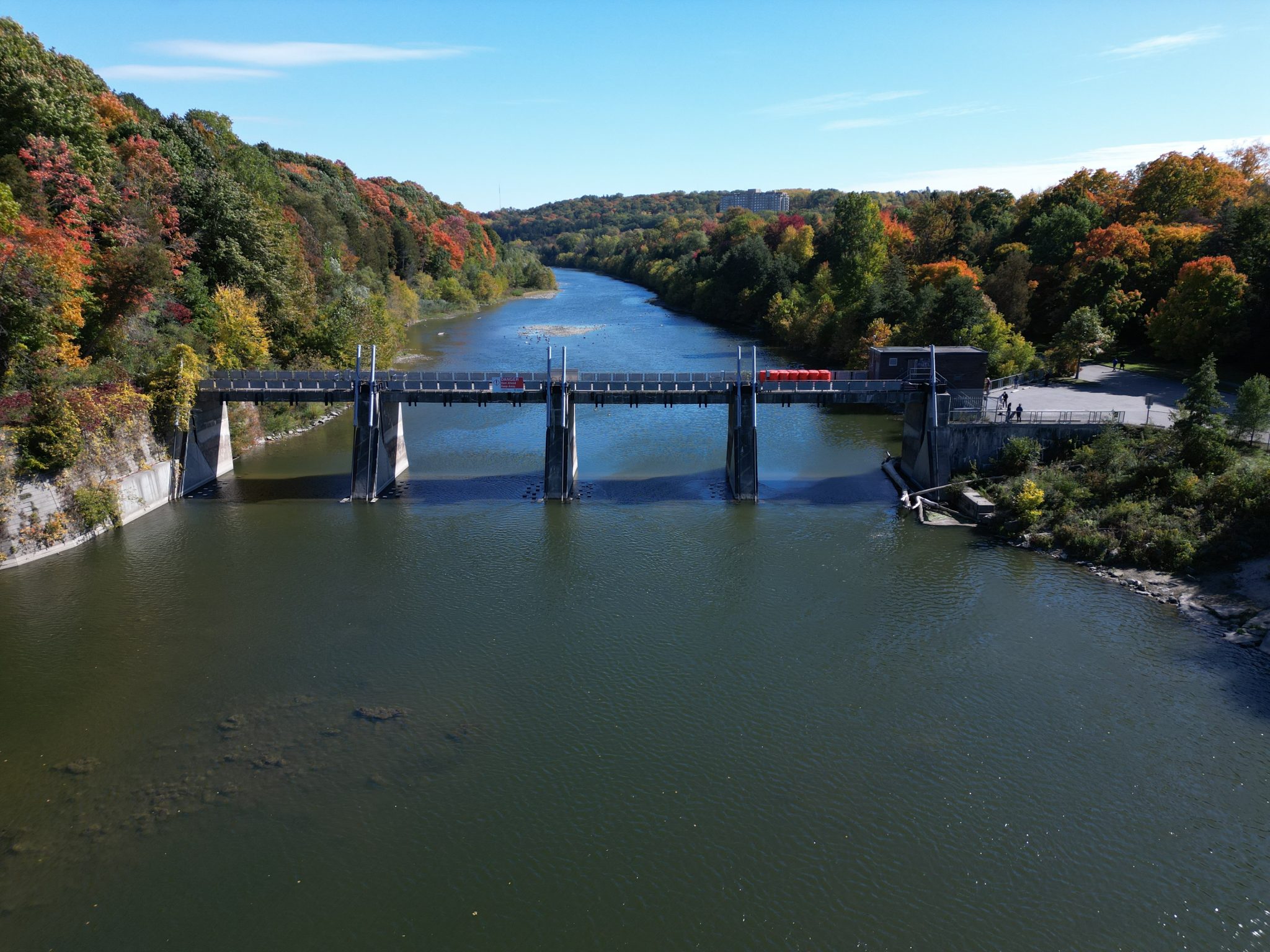
The Raritan River, South River, and Arthur Kill bring waterfront adjacency and floodplain complexity. Properties near Perth Amboy or Sayreville can enjoy water access benefits for certain uses, yet flood insurance costs, base flood elevations, and required mitigation complicate development and operations. After severe storms, markets recalibrate quickly. Tenants who experienced flood related downtime often pay a premium to locate outside higher risk zones, and lenders adjust requirements.
From an appraisal standpoint, I measure the cost effect and the marketability effect. Elevated pads, stormwater management upgrades, and pumps add to replacement cost and can slow deliveries for new supply. Insurance increases operating expenses. The marketability effect shows up as a thinner buyer pool or stricter lender terms, which can widen cap rates relative to similar properties on higher ground. It is not uniform. If port adjacency saves shippers hours per week, some users will accept flood mitigation and higher insurance. The analysis is property specific.
Commuter patterns and workforce access
Many tenants anchor their real estate choices in labor. Warehouses near Piscataway and Edison draw from large blue collar labor pools with established commuting patterns along 287 and local bus routes. Office users around Metropark and New Brunswick benefit from rail, which expands the radius for professional talent. Medical office follows patient access and hospital referral networks, more than commuter convenience, although easy parking and transit help.
In an income approach, labor access translates into lower turnover and stronger rent sustainability for certain uses. A back office user prefers a building that taps both car commuters from Somerset, Middlesex, and Monmouth, and rail riders from Essex and Union. If the subject sits far from both, the risk premium rises. That can move the cap rate a quarter to a half point in some underwriting, which translates into a large value swing at typical price per square foot levels.
Micro access that appraisers verify in the field
Some access advantages are invisible in aerials and marketing packages. They show up when you drive the site, watch traffic cycles, and talk with property managers. The following items, while simple, often explain why two seemingly similar properties appraise differently.
- Signal timing and queue length at the driveway during peak hours
- Legal turning movements in and out, including truck restrictions
- Stacking capacity for drive through or guard gate security
- Curb cut spacing relative to adjacent parcels and medians
- Presence of easements that constrain circulation or signage
These checks inform measured adjustments in a commercial property appraisal in Middlesex County. They can shift effective gross income by influencing tenant quality, or increase operating expenses if, for example, guard staffing is required to manage backed up trucks.
When a weaker location still wins
Not every property can sit next to an interchange or transit hub. A skilled owner can offset some location disadvantages with design, operations, or pricing. I have seen tertiary locations outperform expectations when the sponsor executed well on user needs.
- Superior loading and clear heights that reduce turn time inside the dock
- Technology infrastructure like redundant fiber that attracts specific tenants
- Aggressive parking ratios or structured parking for office users
- Amenity packages that keep employees on site and support retention
- Thoughtful wayfinding and signage that mitigate a midblock position
In appraisal terms, these attributes narrow the adjustment against better located comps. They do not erase the discount, but they can protect rent and reduce downtime. When I review rent rolls for an asset that lacks marquee access, I look for sticky tenants whose business model values the enhancements management provided. That stickiness supports lower re leasing risk.
The comp problem: apples, oranges, and zip codes
The easiest mistake in a Middlesex County valuation is to treat zip codes as market boundaries. A sale in South Brunswick can mislead if the subject in Edison fights different traffic and labor dynamics. Conversely, a comp in Woodbridge may be highly relevant to Carteret if both court the same port oriented tenants.
For a commercial appraiser in Middlesex County, the comp set often spans municipal lines but stays within functional submarkets defined by access. If the subject’s value hinges on proximity to the Turnpike and the Outerbridge, I will weight comps that share those linkages, even if they sit one town over. If the subject depends on rail commuters, comps near Metropark and New Brunswick matter more than a suburban office a highway exit away with no transit.
Relying on generic county averages for rent, vacancy, or cap rates can also distort. In recent years, industrial near exits 10 through 13 often leased a notch higher than deeper inland stock, and transitoriented office rents held up better than isolated suburban buildings. Good appraisals show the math with property level evidence, not countywide generalities.
Traffic counts, visibility, and the retail math
Traffic counts have a role, but they do not rank locations on their own. A 50,000 average daily traffic count on Route 1 can be less valuable than a 25,000 count on a slower arterial if left turns are easier and speeds are lower. Visibility angle and sign height matter too. An endcap with glazing at a slight skew to the road can be more legible at driving speed than a larger facade parallel to fast traffic.
For appraisers, this means weighing drive by impressions, tenant sales reports when available, and broker feedback on which suites lease first. I pay attention to dark space in centers with good counts, because a string of failed tenants can reflect subtle access problems, like a short weave from a highway exit that forces dangerous lane changes. In that case, lenders sometimes carve out additional reserves, which affects deal pricing and, by extension, investor cap rates.
The role of public investment
Access evolves. Interchange upgrades, new signals, road diets, and transit investments can shift value within a few years. Metropark’s improvements, ongoing signal coordination along Route 1, and bridge projects over the Raritan change what properties can promise tenants. A savvy owner times capital plans around these changes. An appraiser tracks adopted capital programs and construction schedules, then calibrates how credible and near term the impact is.
Speculation does not go into value without a basis. A planned ramp that lacks funding remains narrative. A scheduled, funded improvement with clear design, like a new turn lane that will allow left turns into a center, can justify a moderated discount relative to peers. I document sources, note remaining approvals, and keep adjustments conservative until asphalt is down.
Utilities and physical access inside the box
Access is not only about getting to the site. Inside the building, movement speed and reliability influence tenant choices. In industrial, column spacing, bay depth, clear height, and dock door ratio govern how quickly trucks turn and how efficiently racking layouts work. Sufficient power for cold storage or light manufacturing expands the tenant pool. In office, vertical transportation speed and lobby queuing times affect first impressions and tenant satisfaction.
These internal access variables interact with location. A building with average highway access but best in class internal circulation can outperform a well located but inefficient competitor. In an income approach, that shows up as modestly higher rents or lower tenant improvement requirements due to more flexible floor plates.
Practical steps for owners preparing for appraisal
Owners can influence how an appraiser perceives location and access by organizing credible, verifiable information. It speeds the process and reduces the need for conservative assumptions.
- Provide recent traffic studies, signal permits, or municipal approvals for curb cuts and signage
- Share truck route maps, gate logs, and any studies on delivery or dwell times
- Document transit access improvements, shuttle schedules, or parking ratio changes
- Supply environmental reports that clarify floodplain status and mitigation
- Offer tenant sales or occupancy data, where confidentiality allows, that connects access to performance
This material helps a commercial appraisal services team in Middlesex County tie narratives to numbers. It also arms lenders and investors with the detail they expect in this market.
Where location premiums show up on the page
When the report lands, the location and access premium appears in a few places. The rent line is the most visible. Superior access can push achieved rents above the average for the broader submarket. Concessions and downtime assumptions often narrow. Renewal probabilities can increase for sticky tenants whose operations depend on the site’s logistics or transit access. Expense lines can tilt lower if the site design reduces security or traffic management costs.
On the capitalization side, cap rates tighten for assets with resilient tenant demand and minimal re leasing risk. The sales comparison grid shows positive adjustments against comps in inferior access locations. And the reconciliation section, where the appraiser weighs the three approaches, leans more heavily on income and sales for income producing properties, with the cost approach playing a supporting role unless the asset is new or special purpose.
For a commercial property appraisal in Middlesex County, this through line remains consistent. The best connected properties do not just rent for more, they behave better across cycles. That risk reduction is value.
A note on Middlesex County’s two namesakes
Clients sometimes ask whether a data point from Middlesex County, Massachusetts, applies here. The two counties share a name but not the same access math. The Boston metro’s transit, urban density, and technology economy push values in directions that do not transport well to central New Jersey. Any reference in a New Jersey appraisal should be specific to this county’s highways, ports, and rail network.
Selecting the right appraiser
Finally, location and access are only advantages if your valuation team can recognize and quantify them. A seasoned commercial appraiser in Middlesex County will know the difference between a warehouse that looks close to the Turnpike on a map and one that functions close during peak hours. They will ask for municipal approvals, understand truck restrictions, and test assumptions with market participants. They will treat New Brunswick and Metropark as distinct office stories, and they will read a site plan for retail like a retailer.
If you are ordering a commercial real estate appraisal in Middlesex County, ask about submarket experience, access to current lease comps, and familiarity with local planning processes. The right commercial appraisal services in Middlesex County will produce a report that reflects how tenants and buyers act on the ground, not how a zip code averages out on a spreadsheet.
The county rewards properties that respect time. Trucks that move without idling, commuters who step off a train and into an office, shoppers who turn safely into a center, patients who park easily for an appointment. In valuation, those minutes crystallize into rent, absorption, and cap rates. With careful analysis, they become value you can underwrite.