Environmental Factors Considered by Commercial Land Appraisers in Middlesex County
Commercial land values in Middlesex County hinge on more than zoning and comps. Environmental conditions can shift the development timeline by months, add seven figures to site work, or restrict use in ways that ripple through income and residual land value. Appraisers who work this market learn to read the land as a layered record of water, fill, permits, and prior industry, then translate those layers into risk, duration, and dollars.
This discussion focuses on Middlesex County, New Jersey, because many of the environmental drivers here tie directly to state rules and local history. The Raritan River, Arthur Kill, and Raritan Bay, a legacy of petrochemical and manufacturing uses, and low-lying neighborhoods that see tidal flooding all matter. Commercial property appraisers in Middlesex County also track national standards like ASTM for environmental due diligence, yet the New Jersey DEP programs and municipal ordinances ultimately shape feasibility and cost.
Why environmental issues swing land value
Environmental constraints do three things that are central to valuation. They can reduce the land area that is buildable, push out timing by requiring permits and engineering iterations, and increase hard costs for site preparation and remediation. A clean, upland ten-acre tract with sanitary sewer and a shallow groundwater table belongs in a different risk bucket than a similar-sized parcel with mapped wetlands, historic fill, and a deed notice. Buyers, lenders, and commercial appraisal companies in Middlesex County all price these buckets differently because time and uncertainty erode yield.
On industrial infill parcels near Carteret or Woodbridge, a sophisticated buyer will underwrite with contingencies for soil management and vapor mitigation. On suburban corridors near Route 1 or 18, a retail pad on a corner may look straightforward until a flood hazard verification reveals a riparian buffer slicing the site. When commercial land appraisers in Middlesex County model highest and best use, they test these constraints early, because they can move the needle from multi-tenant flex to yard storage, or from a mid-rise hotel to a smaller footprint with structured parking.
The lay of the land in Middlesex County
You cannot generalize Middlesex County’s environment without acknowledging its contrasts. The county sits at the center of New Jersey’s transportation web, with the Turnpike, Routes 1, 9, and 287, intermodal rail, and proximity to Port Newark and Elizabeth. That access pushes industrial and logistics demand, especially for last-mile distribution. At the same time, large stretches lie within riverine and tidal influence. The Raritan River and Bay shore areas carry coastal regulations, and the Arthur Kill edge reflects decades of heavy industry.
Much of the low-lying shoreline contains historic fill, an engineered mixture of dredge spoils, cinders, ash, and construction debris that raised grades for past uses. Portions of Edison, Woodbridge, Perth Amboy, and Sayreville show this condition. Upland towns like North Brunswick and South Brunswick skew toward glacial tills, better soils, and fewer wetlands, but even these areas include pockets of hydric soils near streams and headwaters. The mix creates a patchwork of constraints that appraisers must interpret parcel by parcel.
Flood risk, hydrology, and freeboard
Floodplains are not abstractions in this market. FEMA Flood Insurance Rate Maps show Zones AE along river corridors and zones affected by tidal surge near Raritan Bay. While FEMA maps are the federal baseline, New Jersey’s Flood Hazard Area Control Act Rules can be more restrictive. Local ordinances often require freeboard above Base Flood Elevation, typically an extra foot or two that raises finished floor elevations, drives stem wall or fill requirements, and reshapes site plans. Those cost impacts roll into land value because they affect what can be built and how efficiently it can be laid out.
Appraisers evaluate not just whether a parcel touches a flood zone, but the depth of inundation, the feasibility of compensatory storage, and how storm events have behaved lately. Several industrial sites near the Arthur Kill now include dry floodproofing measures for warehouse walls, pump redundancy, and elevated utility platforms. Lenders will ask for flood certifications and may price insurance premiums into operating expenses. A strong commercial property assessment in Middlesex County treats flood exposure as a quantifiable line item, not a footnote.
Wetlands, riparian buffers, and the spacing puzzle
New Jersey’s Freshwater Wetlands Protection Act Rules and Flood Hazard rules impose buffers that do more than clip corners. A modest swath of wetlands on the wrong angle can force hinge points in circulation and dock layout, especially on logistics sites where trailer storage and truck court depth determine throughput. A Letter of Interpretation from NJDEP is the touchstone for boundary and resource value. Even when fill is permitted, mitigation ratios, conservation easements, and construction sequencing add time and cost.
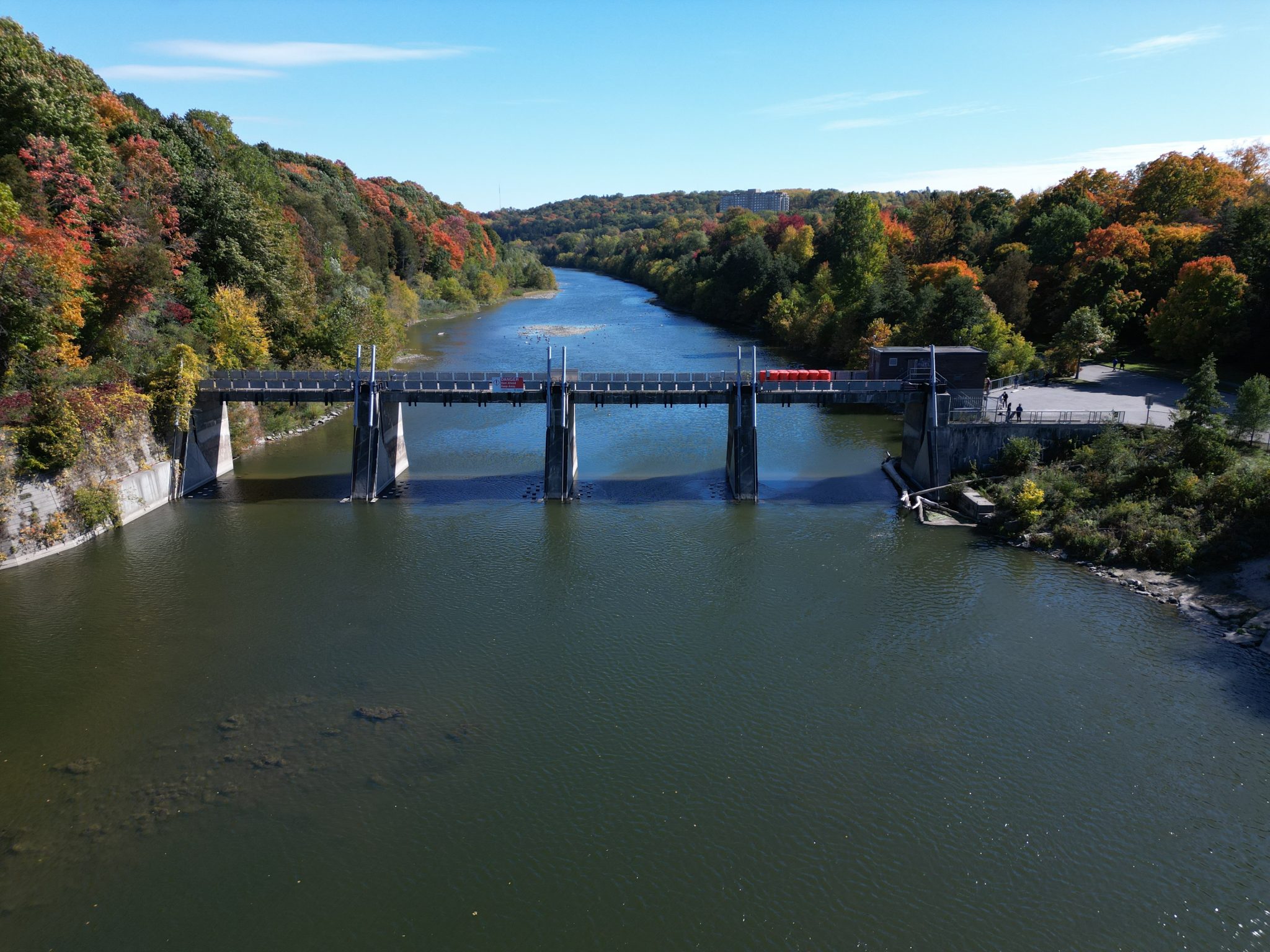
Riparian zones along Category One waters carry a 300 foot special water resource protection area, a buffer that has downzoned more than one seemingly perfect site. Appraisers should not assume that an engineer can “work around it.” In practice, these buffers define where building footprints and retaining walls can sit. If the only efficient building rectangle collapses under buffer constraints, the highest and best use may pivot to a smaller format or a lower intensity yard use. That pivot reduces residual supportable land value.
Soils, groundwater, and the cost of moving dirt
Subsurface conditions decide whether a site is a grading exercise or a geotechnical project. In Middlesex County’s lowlands, historic fill is common. It is compressible, variable, and sometimes contaminated. Developers who know the terrain budget for surcharging, wick drains, or deep foundations when they see a deep layer of soft fill. They also expect to manage regulated material under New Jersey’s soil reuse rules.
Upland soils can be better bearing material, but even there, perched groundwater and poorly drained hydric soils complicate stormwater basins and infiltration. New Jersey’s stormwater rule updates require green infrastructure as the default, favoring infiltration and bio-retention. Where soils cannot infiltrate, designers shift to lined systems and underdrains, which consume space and add cost. An appraiser translates these engineering realities into site coverage ratios, timeline extensions for geotech and redesign, and contingency in the pro forma.
Contamination, ISRA, and the LSRP pathway
Middlesex County’s industrial heritage means environmental contamination is not rare. Appraisers do not diagnose contamination, yet they must understand its economic posture. New Jersey’s Site Remediation Reform Act introduced the Licensed Site Remediation Professional program, changing how cleanups move and how quickly they can reach a Remedial Action Outcome. Deed notices, Classification Exception Areas for groundwater, and Well Restriction Areas are common tools that allow reuse with controls.
The Industrial Site Recovery Act, New Jersey’s transfer-triggered cleanup law, matters whenever an industrial establishment is sold or shut down. If a seller is subject to ISRA, the buyer’s closing timeline may stretch, and escrow may be required. Appraisers working for lenders will look for Phase I Environmental Site Assessments under ASTM E1527 and, where recognized environmental conditions appear, estimate the drag of Phase II investigations and remedial design. Not all contamination is created equal. A small, stable CEA for off-site downgradient groundwater might have minimal impact on value, while a chlorinated solvent source under a future building pad, with vapor intrusion potential, can drive a change in use or add six to twelve months of mitigation work.
A warehouse redevelopment near the Turnpike illustrates the point. The land traded at a discount because borings confirmed historic fill with exceedances for lead and PAHs across most of the yard. The buyer planned slab-on-grade construction with a vapor barrier and a soil management plan that reused as much material on-site as possible. The appraisal reflected a spread to market cap rates for the first lease-up period, then a step down once the RAO for soils and the deed notice recorded. The environmental plan did not kill the deal, but it shaped price and timing.
Coastal edges, tidelands, and Waterfront Development rules
Any parcel near Raritan Bay or along tidally influenced reaches of the Raritan River triggers a different decision tree. Portions of Middlesex County touch the Coastal Area Facility Review Act geography and tidelands claims may exist where land was formerly below the mean high water line. Waterfront Development permits, riparian grants, or licenses can be necessary to legalize and improve bulkheaded areas. These instruments do not just take time, they can also add carrying costs through lease fees. Appraisers confirm tidelands status early, often by consulting NJDEP’s viewer and ordering a tidelands claim review. A missed claim can derail financing late in the game.
Habitat screens and the role of the Landscape Project
Endangered or threatened species constraints in Middlesex County are usually manageable in infill settings, yet they still warrant a screen. The New Jersey Natural Heritage Program database and the Landscape Project mapping identify potential habitat. On larger tracts along the South River or Cheesequake Creek fringe, appraisers anticipate surveys and seasonal work windows that can slow site clearing. Even when habitat does not block use, it can fragment areas into preserves and buildable pockets, again changing site efficiency.
Air, noise, and adjacent nuisances
Environmental factors are not only about soil and water. They also include ambient conditions that affect tenancy and exit liquidity. A cold storage operator may accept adjacency to a tank farm that a life sciences flex tenant would not. Noise from intermodal rail can push office components away from tracks, reducing the premium space on a plan. Odors from legacy operations in some industrial corridors of Perth Amboy and Woodbridge occasionally affect residential-sensitive uses like hotels or assisted living, which narrows the range of viable end uses. Appraisers price these externalities differently depending on tenant mix, lease term risk, and lender expectations.
Stormwater, MS4 obligations, and green infrastructure footprints
New Jersey’s 2020 stormwater rules require green infrastructure measures that manage water close to its source. In practice, that means bio-retention swales, rain gardens, and infiltration basins, plus permeable pavement in limited cases. Municipal Separate Storm Sewer System obligations tie local governments to specific maintenance and water quality goals, which means municipal engineers are enforcing design standards with rigor. For land valuation, the footprint of green infrastructure can be significant. A distribution center that needed two acres for parking and loading a decade ago may now need three once you account for bio-retention and wider buffer plantings.
Appraisers scrutinize concept plans and preliminary engineering to check if proposed stormwater volumes can actually be treated on-site. If not, the project may require underground systems or shared basins that chew into yield. The delta between a 38 percent and a 32 percent building coverage can make or break the residual land value on a tight site.
Climate resilience and buyer underwriting
Sea level rise and precipitation intensity are underwriting items for many institutional buyers. Even for non-coastal parcels, heavier downpours challenge undersized off-site drainage. Investors with long hold periods build climate adjustments into reserves and cap rate assumptions. In Middlesex County, tidal backflow into storm drains during Nor’easters or king tides is a lived reality in low-lying zones, and forward-looking buyers assign cost to flap gates, road raising, or future retrofits. Appraisers translate that posture into a discount where exposure is credible and mitigations add to near-term capital plans.
Data sources that sharpen an appraisal
Experienced commercial building appraisers in Middlesex County do not guess at constraints. They triangulate. FEMA map panels set the flood baseline. NJDEP GeoWeb layers show wetlands, historic fill, known contaminated sites, and tidelands claims. The NJDEP Site Remediation Program database confirms case status and whether a Deed Notice, CEA, or RAO exists. NRCS Web Soil Survey reveals hydric soils. Municipal GIS often includes stormwater and utility layers.
Equally important is the human file. Conversations with the municipal engineer, zoning officer, or county planning staff can surface unwritten expectations about road improvements, curb cuts, or cross drainage. A quick call with an LSRP who has worked the block can illuminate whether a rumor of contamination is noise or a credible, migrating plume. Appraisers weigh this in their risk, but they also keep the scope clear. They are not substituting for environmental professionals. They are converting credible flags into valuation sensitivity.
A practical due diligence rhythm for land valuation
Below is a short checklist of steps that often sit in the background of a careful commercial property assessment in Middlesex County. Appraisers, buyers, and lenders align on these to keep surprises to a minimum.
- Order or review a current ALTA survey that shows wetland flags if any, flood zones, and known encumbrances, then overlay proposed building footprints.
- Commission a Phase I ESA if one is not recent, and scope Phase II only if RECs are significant or lender-required, being explicit about timing and access.
- Run NJDEP GeoWeb layers for wetlands, historic fill, known contaminated sites, riparian zones, and tidelands, and secure an LOI or flood hazard verification when layout hinges on buffers.
- Test stormwater feasibility early with a concept drainage memo and infiltration tests if season allows, so that building coverage and parking counts are not theoretical.
- Verify utilities for capacity and point of connection, especially sanitary, and document any off-site extensions or pump stations that would fall to the developer.
Appraisers are not leading the engineering, but they pay attention to the order of operations. A lost month waiting for seasonal groundwater levels to run infiltration tests can reverberate across a capital stack.
How environmental issues feed the valuation approaches
Sales comparison, income capitalization, and the subdivision or residual method all react to environmental risk. In sales comparison, paired sales with and without constraints tell the story. A clean, upland tract near Exit 10 may sell at a per-acre price that is 25 to 40 percent higher than a similarly located parcel with historic fill and a deed notice. Appraisers in this county often track four or five recent land trades, then peel back their conditions to understand whether environmental limits or processing time explain the gap.
In income approaches, environmental costs sit in the development line items and the timeline. Mitigation and permits expand soft and hard costs, but the time value of money can be the larger lever. A six-month longer entitlement and remediation schedule at an 8 to 10 percent cost of capital moves residual value tangibly. If the end product requires vapor barriers and sub-slab depressurization systems, replacement reserves may tick up in the stabilized model, nudging cap rate expectations too.
Subdivision analyses must address that some acres are not equal. Buffers, wetlands, and stormwater areas are necessary but non-revenue square feet. The minimum efficient lot size for a target use may not be possible once those areas are netted out. That reality pushes appraisers to recut hypothetical lots and test whether an alternate use class with smaller footprints or yard-heavy layouts performs better.
Case snapshots from the field
A mid-sized logistics developer pursued a 15-acre tract in Edison that looked flat and buildable from the street. Early geotech work identified variable fill depths from three to 12 feet, with debris lenses and ash in multiple borings. A Phase I flagged historic rail spurs and a machine shop two owners back. The seller had no RAO for soils, and the buyer anticipated a deed notice. The appraisal built a soil management allowance of 15 to 25 dollars per cubic yard for export of hot spots and reuse of the balance on-site, plus a six-month extension for LSRP reporting and plan approval. A competitor walked, but the developer who underwrote the reality won the deal at a resolved price.
On a https://www.instagram.com/realexappraisal/ hotel pad near the Raritan, a flood hazard verification reset the Base Flood Elevation a foot higher than FEMA. Local ordinance required an extra foot of freeboard. The architect revised the ground floor to structured parking and moved lobby and rooms to the second level. Elevators and MEPs shifted above the higher BFE, and costs climbed. Yet the yield on upper floors improved because river views commanded a rate premium. The appraiser’s model did not punish the land uniformly for flood risk. It captured both the additional foundation cost and the higher achieved ADR, then landed on a supportable land value that looked low relative to upland pads, but sensible for the waterfront program.
Common mistakes that drain value or waste time
- Assuming a Phase I with no RECs removes all environmental risk, even when historic fill is likely by location and elevation.
- Treating FEMA maps as the only flood authority, then discovering later that state flood hazard rules or local freeboard requirements control the design.
- Ignoring tidelands claims on waterfront or formerly flowed areas, which later complicate title, financing, and improvement rights.
- Deferring stormwater feasibility until late design, then learning that required green infrastructure reduces building coverage below pro forma.
- Underestimating the effect of riparian buffers on circulation, which can force truck movements that do not meet tenant standards.
Experienced commercial land appraisers in Middlesex County flag these early so that buyers make decisions with eyes open.
Working with the right experts and data improves certainty
While an appraiser’s signature sits on the valuation, reliable conclusions depend on a small team. A civil engineer who knows the municipal preferences, an LSRP with command of the local case history, and a surveyor who can move quickly on ALTA and topography all reduce uncertainty. Commercial appraisal companies in Middlesex County that specialize in industrial and mixed-use dirt often maintain bench relationships with these professionals and know when a one-hour scoping call will save a month.
For owners, a modest spend before listing can prevent retrades. A current LOI for wetlands and a tidelands status letter, coupled with a recent Phase I and any available RAO or deed notice, position the property cleanly. For lenders, a well-scoped environmental and zoning review avoids late discoveries that force extensions. Commercial property appraisers Middlesex County lenders trust typically include a section that aligns environmental conditions with the valuation assumptions, so that credit committees are not surprised when they see reserves or escrow recommendations.
How this plays out across submarkets and use types
Not every part of the county prices environmental risk equally. Along industrial corridors in Woodbridge and Carteret, buyers almost assume historic fill and a deed notice. The question is degree, not presence, and the discount bakes into competitive bidding. In suburban nodes near North Brunswick, environmental screens may pivot more on wetlands and stormwater than on contamination. Retail pads care about corner access and parking count, with flood freeboard mainly affecting foundation cost and ADA transitions. For life sciences or data center uses that have tightened specs, even modest off-site risk, like adjacent tank farms or transformer yards, can add a stigma that shows up in cap rates and exit liquidity, which pushes down land value relative to generic warehouse demand.
Pulling it together in the appraisal narrative
A clear appraisal explains how each environmental factor changes either area, time, or money. It documents the sources consulted and the professionals engaged. It states when uncertainty remains and models sensitivity. It avoids boilerplate. That discipline is what lets a developer commit, a lender price risk, and a seller understand why their ask did or did not hold.
Commercial building appraisers Middlesex County owners hire for complex projects rarely write the same environmental section twice, because sites here do not repeat. One parcel has a narrow riparian pinch and a clean history. Another has a broad developable table but needs surcharge and wick drains. A third sits in a coastal zone with tidelands. The appraisal’s job is not to predict engineering outcomes, it is to value the property as of the date, using the best available information, while being honest about the path that information implies.
If there is a single habit that pays off, it is early, practical verification. A 30 minute screen of NJDEP GeoWeb, FEMA mapping, soils, and municipal stormwater standards, paired with a Phase I ESA review, can separate a viable plan from an optimistic sketch. In Middlesex County, that small step is often the difference between a deal that closes and one that stalls.
When appraisers, owners, and lenders respect these environmental realities, the market tends to reward it. Projects move with fewer surprises, spreads reflect true risk, and the built environment adds useful space without betting the farm on what lies underfoot. That is where the value is, and where the best commercial land appraisers in this county spend their time.